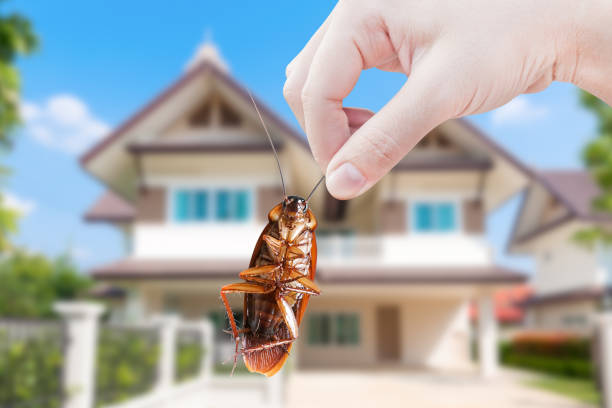
Termites are among the most persistent and destructive pests, capable of infiltrating your home in ways that may not be immediately obvious. Understanding how termites gain access to your property is crucial for preventing infestations and minimizing damage. Below are some of the most common entry points and pathways termites use to invade homes.
Cracks in Foundation or Walls
Termites, particularly subterranean species, often exploit tiny cracks or gaps in a building’s foundation or walls. These small openings provide an ideal entry point for termites to access interior structures, especially if the area is damp or poorly sealed.
- Settling of the home over time
- Poor construction practices
- Seasonal temperature changes causing expansion and contraction
- Regularly inspect the foundation for cracks and seal them with an appropriate filler.
- Use weather-resistant caulking around windows, doors, and vents.
Wood-to-Ground Contact
Termites thrive on cellulose-based materials like wood. Structures that allow direct contact between wood elements (such as door frames, deck posts, or siding) and the soil create a perfect pathway for termite infestations.
- Wooden fencing touching soil
- Tree stumps near your house foundation
- Wooden decks without proper support systems
- Maintain at least a six-inch gap between wooden structures and soil.
- Install metal barriers or concrete bases beneath wooden posts.
Moisture Accumulation
Moist environments attract termites by providing an ideal condition for their survival. Leaky pipes, clogged gutters, poor drainage systems, and condensation can lead to excess moisture around your home—a key factor that contributes to termite activity.
- Fix leaky faucets, pipes, or hoses promptly.
- Clean gutters regularly to prevent water buildup near the foundation.
- Ensure your home’s landscaping slopes away from the structure to promote proper drainage.
Gaps Around Utility Lines
Utility lines such as plumbing pipes or electrical wiring often pass through walls or foundations in residential properties. Termites can use these gaps as access points into your home if they are not properly sealed.
| Utility Line Entry Risks | Prevention Steps |
| Plumbing lines | Seal gaps with silicone caulk |
| HVAC ducts | Insulate ducts appropriately |
| Electrical wiring | Install foam sealant around openings |
Uninspected Wood Brought Indoors
Firewood stacks, untreated lumber, or even furniture can harbor termites that eventually spread inside your home when brought indoors without inspection.
- Inspect wooden items carefully before bringing them inside.
Effective Tips for Miami Pest Control and Preventing Termite Infestations
Preventing termites from entering your property requires vigilance and regular maintenance checks. Paying attention to potential entry points such as cracks in foundations, wood-to-ground contact areas, moisture-prone zones, utility line openings, and uninspected wooden items can significantly reduce risks associated with termite infestation. Using a combination of regular inspections and preventative measures will help protect both structural integrity and long-term peace of mind for homeowners.
How Miami Termite Control Can Protect Your Wooden Furniture from Infestations
Termites, often referred to as “silent destroyers,” are notorious for feeding on cellulose-based materials, which makes wooden furniture a prime target for their infestations. Understanding how termites invade and damage furniture, as well as how to protect it effectively, is crucial for homeowners.
Finding the Best Exterminator Miami, FL for Termites in Wooden Furniture
Yes, termites can live inside wooden furniture.
- Subterranean Termites: These termites live underground but can form tunnels that lead directly into wooden furniture. They rely on moisture from the soil to survive.
- Drywood Termites: Unlike subterranean termites, drywood termites do not need contact with soil or high levels of moisture. They can thrive within dry pieces of wood like chairs, tables, or cabinets.
Once inside your furniture, termites hollow out the wood from the inside while leaving a thin layer intact on the surface—making the damage nearly invisible until it becomes extensive.
Effective Termite Removal Miami: How to Spot Infestation Signs in Wooden Furniture
- Visible Droppings (Frass): Drywood termites leave behind small pellet-like droppings near infested areas.
- Hollow Sound: Knock on wooden furniture; if it sounds hollow or weaker than usual, this could indicate internal termite damage.
- Tiny Holes: Small pinholes may appear where termites have entered or exited.
- Warping or Bubbling Wood: Damaged wood may appear warped due to internal tunneling.
- Swarmers or Discarded Wings: If you see winged termites near your furniture or find discarded wings around windows and doors, it suggests an infestation nearby.
How to Protect Wooden Furniture from Termites
Preventing termite infestations requires regular maintenance and a proactive approach.
- Conduct routine checks for signs of termite activity.
- Inspect both visible and hidden surfaces of wooden furniture.
- Ensure proper ventilation in rooms with wooden furnishings.
- Use dehumidifiers in humid climates to reduce excess moisture that attracts subterranean termites.
- Treat wood with termiticides or borate-based solutions during manufacturing or regularly after purchase.
- Wax polish or varnish can create a protective barrier against termites.
If possible: – Elevate outdoor wooden furniture off the ground using stands or concrete bases.
| Natural Deterrents | Method of Application |
| Neem Oil | Apply directly onto infested surfaces |
| Orange Oil | Inject into small holes made by termites |
| Diatomaceous Earth | Dust around areas prone to infestation |
For advanced protection: – Hire pest control professionals to treat high-risk areas around your home with termiticides.
Preventive Maintenance Tips
- Store firewood away from your home since it may harbor colonies that could spread indoors.
- Avoid placing untreated wooden items directly on soil outside your house.
- Seal cracks in walls and flooring where pests might access indoor spaces.
By implementing these practices, you minimize the risk of termite damage while protecting your valuable investments in wooden furnishings effectively.
A termite infestation can be both a costly and stressful problem for any homeowner.
Common Causes of Termite Infestations
Several factors contribute to termite infestations.
- Subterranean termites, in particular, rely on moist soil to survive and access food sources like wood.
- Wooden structures that directly touch the soil offer an easy entry point for termites.
- Tiny cracks in a home’s foundation provide pathways for termites to infiltrate undetected. These pests only need minimal space to enter and establish colonies.
- Poor ventilation in crawl spaces also promotes moisture buildup, further enticing them.
- Mulch used in gardens retains moisture and often consists of cellulose materials that termites feed on.
Key Prevention Tips for Termite Infestations
- Eliminate Excess Moisture
Address any plumbing leaks promptly and ensure proper drainage around your home’s foundation. - Inspect Your Foundation Regularly
Check for cracks or gaps around your foundation or walls and seal them with caulk or other appropriate materials. - Maintain Proper Distance Between Wood Structures and Soil
Ensure there is at least an 18-inch gap between wooden structures (e. g. , deck posts) and soil surfaces. Use concrete bases when possible as barriers. - Store Firewood Away from Your Home
- Choose Mulch Alternatives
Consider using non-cellulose-based landscaping materials like gravel or rubber mulch near foundations instead of traditional wood mulch.
Comparing Preventive Measures: A Table Overview
| Prevention Method | Effectiveness Rating (1–5) | Notes |
| Sealing Cracks | 5 | Reduces primary entry points |
| Eliminating Moisture Sources | 5 | Most effective against subterranean termites |
| Distance Between Wood & Soil | 4 | Requires regular monitoring |
| Firewood Storage Management | 4 | Practical but needs consistent effort |
| Use of Non-Wood Mulch | 3 | Good supplementary measure |
Small efforts like routine inspections combined with proper maintenance practices go a long way in keeping these destructive pests at bay.
Understanding the different types of termites that might invade your property is crucial for implementing effective prevention and control strategies. Termites are generally classified into three main types: subterranean, drywood, and dampwood termites.
Subterranean Termites
Subterranean termites are among the most destructive species.
- Typically light cream or brown in color.
- Require contact with moisture for survival.
- Live in colonies that can number in the millions.
- Cracks in building foundations.
- Expansion joints or gaps around plumbing pipes.
- Wooden structures or debris in contact with soil.
| Feature | Description |
| Feeding Habits | Consume cellulose-based materials (e.g., wood). |
| Colony Size | Extremely large, up to millions of individuals. |
| Damage Potential | High – cause extensive structural harm quickly. |
Drywood Termites
Drywood termites differ from their subterranean counterparts because they do not need soil contact to survive. They infest dry wood and are often found in furniture, framing, and hardwood floors.
- Smaller colonies compared to subterranean termites.
- Create smooth-walled galleries inside wood instead of mud tubes.
- Leave behind frass (pellet-like droppings), a key indicator of their presence.
- Exposed wooden beams or attics.
- Wooden furniture or antique items.
- Door and window frames.
| Feature | Description |
| Moisture Requirement | Low – thrive in dry environments. |
| Detection | Frass near wooden structures; sounds when tapping wood. |
| Damage Rate | Moderate but gradual over time. |
Dampwood Termites
As their name suggests, dampwood termites prefer moist environments and decayed wood with high water content.
- Larger than other termite species.
- Do not require soil contact but depend on moisture-rich environments.
- Less likely to infest homes unless leaking pipes or poor drainage provide ideal conditions.
- Areas with high humidity like basements or crawl spaces.
- Wood damaged by water leaks or fungal decay.
| Feature | Description |
| Habitat | Wet, decayed wood – often outdoors near vegetation. |
| Entry Points | Leaks near roofs, gutters, or plumbing issues. |
| Damage Level | Localized due to limited colony size. |
How to Identify and Manage Each Type
- Subterranean termites can often be managed with baiting systems and soil treatments containing termiticides. Ensure proper drainage to reduce excess moisture around your home’s foundation.
- Drywood termite infestations may require fumigation or targeted spot treatments using borates or other insecticides designed for dry environments.
- Dampwood termite management starts by addressing moisture issues such as repairing leaks, removing water-damaged wood, and ensuring proper ventilation indoors.
Understanding these termite types equips homeowners with the knowledge needed for early detection and effective intervention strategies tailored to each species’ unique behavior patterns. With regular inspections and preventative measures, you can significantly reduce the risk of costly damage caused by these pests.
How Mulch and Other Organic Materials Attract Termites to Your Home
Certain landscaping materials, such as mulch and other organic debris, create ideal conditions for termite activity. Understanding how these materials attract termites can help homeowners take preventative measures to protect their property.
Why Mulch Attracts Termites
Mulch is widely used in landscaping for its ability to retain soil moisture, regulate temperature, and enhance aesthetics.
- Moisture Retention: Mulch helps the soil retain moisture, creating a damp environment that termites find attractive.
- Food Source: Most types of mulch are made from wood or bark chips – materials that serve as a food source for termites.
Common Organic Materials That Attract Termites
Beyond mulch, other organic materials around your home can also encourage termite activity.
- Wood Piles: Stacked firewood or lumber placed directly on the ground is highly appealing to termites.
- Tree Stumps and Dead Trees: Decaying trees or stumps provide both food and shelter for termites.
- Leaf Litter: Accumulated leaves create a moist environment where termites can thrive.
- Compost Piles: Organic compost materials like fruit peels or garden waste can attract not only termites but other pests as well.
Best Practices to Prevent Termite Attraction
- Opt for non-cellulose-based mulches like rubber or stone instead of wood-based options.
- Cedar mulch is less appealing to termites compared to other types of wood mulch because it contains natural oils that deter pests.
- Keep mulch layers no thicker than 2–3 inches to reduce moisture retention.
- Avoid piling mulch directly against the foundation of your home.
- Create a barrier by leaving at least 6–12 inches between your home’s foundation and any organic material.
- Use gravel or inorganic material near the base of your house instead of wood-based products.
- Keep firewood stacks elevated at least 18 inches off the ground.
- Check areas with heavy vegetation or mulching for signs of termite activity, such as mud tubes or damaged wood.
Comparing Mulch Types Based on Termite Risk
| Mulch Material | Risk Level | Notes |
| Wood/Bark Chips | High | Highly attractive due to cellulose content |
| Cedar | Medium | Natural oils offer some resistance |
| Rubber | Low | Non-organic; does not attract termites |
| Gravel/Rock | Very Low | Inorganic; no food value for termites |
By understanding how mulch and other organic materials contribute to termite infestations, homeowners can take proactive steps to reduce these risks while maintaining their landscapes effectively. Proper management not only preserves your property’s aesthetic appeal but also safeguards it against costly structural damage caused by termite infestations over time.
How to Get Rid of Termites and Protect Your Home from Future Infestations
Termites can cause significant structural damage to homes if not addressed promptly. Proper eradication and preventative measures are key to maintaining a termite-free environment. Below is a comprehensive guide on how to deal with termites and ensure your home remains protected from future infestations.
Steps to Eliminate Termites
- Look for signs of termite activity such as mud tubes, hollow-sounding wood, discarded wings, or damaged timber.
- Consider hiring a professional pest control expert for an inspection if you’re uncertain about the presence of termites.
- Select an Effective Treatment Method
There are several options for removing termites: - Chemical Treatments (Termiticides):
Liquid termiticides can be applied around the foundation of your home to create a barrier that kills termites when they come into contact with it.
| Type | How It Works |
| Repellent Termiticides | Prevent termites from entering treated areas |
| Non-Repellent Termiticides | Kills termites after they unknowingly ingest it |
Bait Systems:
Install bait stations around your property that attract termites with cellulose materials laced with slow-acting poison. These systems target entire colonies over time.- Heat Treatment:
Heat treatment involves raising the temperature of the infested area to levels lethal for termites (typically above 120°F). This method is environmentally friendly but may require professional help. - Fumigation:
For extensive infestations, fumigation might be necessary. While effective, this process requires tenting your home and vacating it temporarily. - Remove Infested Items
If possible, dispose of wooden furniture, drywall sections, or other materials that are severely damaged by termites to prevent further spread.
Tips for Preventing Future Infestations
- Fix leaky pipes and faucets promptly.
- Use dehumidifiers in damp areas like basements.
- Ensure proper drainage around the foundation by installing gutters and downspouts.
- Keep wooden structures such as decks or fences elevated above ground level using concrete bases.
- Avoid stacking firewood or lumber directly against your house.
- Maintain Proper Ventilation:
Crawl spaces should have adequate airflow since poor ventilation can lead to moisture buildup, creating favorable conditions for termites. - Limit Mulch Use Near Your Foundation:
Organic mulches can attract subterranean termites due to their cellulose content and moisture retention properties:
| Mulch Type | Risk Level |
| Wood Chips | High – Attractive to Termites |
| Rubber Mulch | Low – Non-organic material |
Seal Entry Points:
Inspect your home’s exterior regularly for cracks in walls, gaps around utility lines, or loose-fitting windows and doors, sealing any openings that could serve as entry points.- Schedule Routine Inspections:
Professional inspections once every 1-2 years can help catch early signs of infestation before serious damage occurs.
When to Call Professionals
While DIY efforts can be successful in mild cases, severe infestations often require professional pest control services with expertise in termite removal methods like fumigation or advanced bait systems.
By combining effective treatment methods with consistent preventative measures, you can protect your home not only from current infestations but also from potential future threats posed by these destructive pests.
Detecting Termite Activity Early to Prevent Serious Structural Damage
These pests often remain hidden in walls, furniture, or foundations, making it challenging to detect their presence until significant destruction has occurred. By understanding the signs of termite infestations and implementing proactive monitoring methods, you can safeguard your property effectively.
Signs of Termite Activity
Early detection begins with recognizing the subtle signs termites leave behind.
- Mud Tubes: Subterranean termites create pencil-thin tunnels made of mud on walls, floors, or foundations as a means of travel between their nests and food sources.
- Hollow-Sounding Wood: When tapped, infested wood may sound hollow due to internal tunneling by termites.
- Discarded Wings: Reproductive termites (swarmers) shed their wings after finding a new home. Piles of discarded wings near windowsills or doors may indicate an infestation.
- Frass (Termite Droppings): Drywood termites leave behind small piles of pellet-shaped droppings near infested areas.
- Warped or Bubbling Paint: Termites can cause paint to blister or bubble as they tunnel close to the surface of wooden structures.
Tools and Techniques for Early Detection
- Professional Inspections: Hiring a licensed pest control expert for annual inspections ensures thorough checks in areas prone to infestation.
- Moisture Meters: Excess moisture attracts termites. Using a moisture meter can help identify damp areas where termites are more likely to thrive.
- Acoustic Detection Devices: These tools pick up faint sounds caused by termite activity within walls.
- Install bait stations around your property’s perimeter.
- Regularly check wooden stakes buried in soil for signs of termite presence.
Areas at High Risk for Infestation
Certain parts of your home are more vulnerable to termite activity than others due to environmental factors such as moisture levels and wood accessibility.
| Area | Why It’s High Risk | Suggested Action |
| Foundation | Close contact with soil | Ensure proper drainage; seal cracks |
| Crawl Spaces | High humidity levels | Use vapor barriers; improve ventilation |
| Attics | Hidden wooden beams | Inspect regularly; treat exposed wood |
| Basements | Damp conditions attract termites | Install dehumidifiers |
Preventative Measures
- Repair leaks promptly, as excess water creates an ideal environment for termites.
- Store firewood away from the house and off the ground.
- Avoid direct wood-to-soil contact by installing concrete barriers or other materials under wooden structures.
Acting swiftly upon detecting any signs of infestation minimizes structural damage and reduces repair costs over time while maintaining the integrity of your property.
- Effective Termite Treatment Miami: Why Addressing Infestations Promptly Matters
- Effective Termite Treatment Miami: Exploring the 4 Major Types and Their Effectiveness
- Effective Termite Treatment Miami: How Termites Enter and Infest Your Home
- What to Expect From a Comprehensive Miami Termite Control Process
- Effective Miami Termite Control: A Comprehensive Guide to Inspections
- Miami Termite Control: Effective Inspection and Treatment to Protect Your Home
- Effective Termite Treatment Miami: 5 Signs of Termite Damage to Protect Your Home
- How Miami Termite Control Can Help Identify Hollow-Sounding Wood as a Termite Indicator