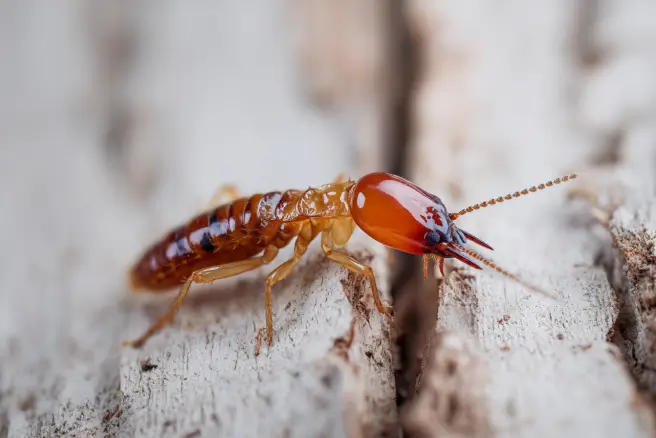
Termites are one of the most destructive pests a homeowner can face. Their ability to silently invade and damage structures makes it crucial to address infestations promptly and effectively. Ignoring a termite problem or delaying treatment can lead to extensive structural damage, costly repairs, and even compromise the safety of your home.
Why Immediate Action is Necessary
Termites are relentless pests that consume cellulose-based materials such as wood, paper, and other organic substances. Left untreated, an infestation can spread rapidly as colonies grow in size.
- Structural Damage: Termites weaken wooden structures by hollowing them out from the inside.
- Financial Costs: Repairing termite damage can cost thousands of dollars if not addressed early.
- Safety Concerns: Severe infestations may compromise the structural integrity of homes or buildings.
- Increased Infestation Risk: Neighboring properties could also become infested if colonies are left unchecked.
The Role of Professional Treatment
While DIY termite control might seem like an economical solution, professional treatment is usually necessary for effective eradication. Trained pest control experts use advanced tools and techniques to locate colonies, identify species, and apply targeted treatments.
- Accurate Identification: Professionals identify whether your home is affected by subterranean termites, drywood termites, or other species.
- Customized Solutions: Experts design tailored plans based on the extent of infestation and type of termites involved.
- Long-Term Prevention: Professional treatments typically include measures to protect your property from future invasions.
Strategies for Effective Termite Elimination
Several methods are available for treating termite infestations effectively.
| Treatment Method | Description | Advantages |
| Liquid Termiticides | Applied around a building’s perimeter | Creates a barrier to repel/kill termites |
| Termite Bait Systems | Attracts termites with poisoned bait | Targets colonies directly |
| Fumigation | Involves filling an area with gas | Eliminates drywood termites effectively |
| Wood Treatments | Application of borates or other chemicals | Prevents new infestations |
Preventive Measures Post-Treatment
Once treated, maintaining vigilance is key to avoiding reinfestation.
- Reduce moisture levels around your home (e. g. , fix leaks or ensure proper drainage).
- Store firewood away from the house foundation.
- Use treated wood in construction projects where possible.
- Schedule regular inspections by pest control professionals.
By addressing termite problems swiftly and partnering with experts who employ proven methods, homeowners can protect their investment and maintain peace of mind regarding their property’s safety.
Effective Miami Termite Control: Protecting Your Home from Subterranean Termites
Subterranean termites are one of the most destructive species of termites found worldwide. They live below ground in large colonies and feed on cellulose-based materials such as wood, paper, and other plant products. These pests thrive in moist environments and are known for causing significant structural damage to homes over time. Understanding their behavior, habitat, and the risks they pose is essential for effective management and prevention.
Effective Miami Pest Control Tips for Subterranean Termites
- Habitat: Subterranean termites build their nests underground and use mud tubes to travel to above-ground food sources.
- Diet: Their primary food source is cellulose, making wooden structures, flooring, furniture, and books vulnerable.
- Colony Size: A single subterranean termite colony may consist of hundreds of thousands or even millions of members.
- Workers: Responsible for gathering food and maintaining the nest.
- Soldiers: Defend the colony from threats like ants or other predators.
- Reproductives (Kings & Queens): Reproduce to expand the colony.
How an Exterminator Miami, FL Can Help Prevent Subterranean Termites
- Cracks in foundations or walls.
- Gaps around utility pipes or cables entering the structure.
- Direct contact with wood that touches soil, such as deck posts or fences.
- Mud tubes constructed along walls or other surfaces.
Once inside a home, they can remain undetected for months or even years while consuming wooden materials from the inside out.
Effective Termite Removal Miami Services to Protect Your Home
The damage caused by subterranean termites is often extensive due to their feeding habits.
- Structural Weakness: Over time, they hollow out wooden beams, floors, and support structures, compromising your home’s safety.
- Hidden Damage: Since subterranean termites consume wood from within, damage is not always visible until it becomes severe.
- Costly Repairs: According to industry reports, homeowners in the U. S. spend billions of dollars annually on termite-related repair costs.
| Key Metric | Statistics |
| Annual U.S. Repair Costs | Over $5 billion |
| Colony Size | Ranges from thousands to millions |
| Preferred Habitat | Moist soil with nearby wood |
Preventing Subterranean Termite Damage
Perform Routine Inspections
- Look for mud tubes along walls or foundations.
- Examine wooden structures for hollow sounds when tapped.
Eliminate Moisture Sources
- Fix leaks in plumbing or roofing promptly.
- Ensure proper drainage around your home’s foundation.
Use Treated Wood
Install pressure-treated wood for decks and fencing since it is less attractive to termites.
Professional Intervention
Engage licensed pest control professionals who can implement long-term termite management solutions like bait systems or liquid treatments around your property perimeter.
By understanding their behavior and taking appropriate steps against infestations early on, you can protect both your home’s integrity and value effectively over time.
How to Identify If You Have a Serious Termite Infestation Issue
Identifying a termite infestation early is critical to mitigating the damage these pests can cause. Termites are often called “silent destroyers” because they can chew through wood, flooring, and even wallpaper undetected. Understanding the signs of a serious termite infestation will allow you to act quickly and protect your property from structural damage and costly repairs.
- Mud Tubes: Subterranean termites build mud tubes to connect their colonies in the soil to food sources above ground. These pencil-sized tubes are often found on exterior walls, foundations, or crawl spaces.
- Swarmers or Discarded Wings: Winged termites (swarmers) emerge in large numbers during their reproductive season. If you find discarded wings near windowsills, doors, or light fixtures, it may indicate an active colony nearby.
- Hollow-Sounding Wood: Knock on exposed wooden structures around your home.
- Frass (Termite Droppings)These resemble sawdust or coffee grounds.
- Damaged Wood with Tunnels: When examining damaged wood, check for maze-like patterns of tunnels within the structure. This is a telltale sign of termite activity.
Subtle Indicators That May Suggest Deeper Issues
Sometimes, termite infestations remain hidden for years before significant damage becomes visible.
| Indicator | Potential Cause |
| Small pinholes in drywall | Termites entering through walls |
| Bubbling paint or uneven walls | Moisture from termite colonies |
| Unexplained cracks in ceilings | Structural weakening from termites |
DIY Inspection Tips
- Inspect Foundation Walls:Look for mud tubes along foundation walls inside basements or crawl spaces.
- Examine Outdoor Structures:Inspect wooden fences, decks, sheds, and tree stumps for visible termite damage.
- Tap Wooden Elements:Use a screwdriver or tapping tool to test beams and other wooden structures for hollowness.
When to Contact a Professional
If you notice any of the above signs—or even suspect termite activity—it is essential to contact a licensed pest control specialist immediately. Professionals use tools like moisture meters, infrared cameras, and borescopes to detect infestations that may not yet be visible.
Addressing a serious termite problem promptly reduces potential long-term structural damage while preventing costly repairs later on. Regular inspections and preventative measures can also ensure your property remains protected over time.
Comprehensive Termite Control Treatments to Eliminate Colonies
Effectively addressing a termite infestation requires a multifaceted approach. Termites are persistent pests that can silently cause extensive damage to structures. Comprehensive termite control treatments focus on eliminating existing colonies and preventing future infestations. Below, we explore the most effective treatment methods and strategies to combat termites.
Types of Termite Control Treatments
- Liquid Termiticides
Liquid termiticides are widely used to create a chemical barrier around the perimeter of a property. This method works by either repelling termites or killing them upon contact with the treated soil. - Long-lasting protection (up to 5-10 years with proper application)
- Effective against subterranean termites which rely on soil for survival
Common active ingredients in liquid termiticides:
| Chemical | Functionality | Longevity |
|———-|—————|———–|
| Fipronil | Non-repellent, kills by transfer effect | Up to 10 years |
| Imidacloprid | Non-repellent, disrupts nerve function in termites | 5-7 years |
- Termite Baiting Systems
Advanced baiting systems target termite colonies using slow-acting toxicants mixed with cellulose (a termite food source). These baits are strategically placed in high-activity areas, ensuring that worker termites transport the poison back to their colony. - Complete colony eradication over time
- Minimal impact on surrounding soil and ecosystems
- Wood Treatments
Pre-treating wood with chemicals like borates provides an additional layer of protection against drywood and dampwood termites. This is particularly useful for new constructions or during renovations. - Fumigation
Structural fumigation is necessary for severe infestations involving drywood termites that live directly within wooden structures. It involves sealing the building and introducing gaseous pesticides that penetrate deep into all areas, eradicating termites at all stages of development.
Steps for Effective Termite Treatment
- Inspection– Conduct a thorough assessment of the property to identify infestation extent, species type, and entry points.
- Customized Treatment Plan– Based on findings, develop a targeted solution combining multiple methods if needed.
- Application by Professionals– Engage licensed pest control professionals equipped with expertise and tools.
- Monitoring and Maintenance– Regularly inspect treated areas and maintain bait stations or barriers as necessary.
Comparison of Treatment Methods
| Method | Cost | Effectiveness | Environmental Impact |
| Liquid Termiticides | Moderate | High | Medium |
| Baiting Systems | High | Extremely High | Low |
| Wood Treatments | Low | Preventive Only | Low |
| Fumigation | Very High | Extremely High (for existing issues) |
Integrated Pest Management (IPM) Approach
For long-term success in controlling termites, an Integrated Pest Management (IPM) strategy is often recommended: – Combine chemical treatments with physical barriers such as steel mesh or sand barriers. – Address moisture issues contributing to conducive conditions for termites. – Regular maintenance of preventive measures (e. g. , sealing cracks in foundations).
By employing multiple strategies tailored specifically to the level of infestation and environmental factors present at the site, homeowners can ensure effective elimination while reducing damage risks over time.
How Advanced Termite Bait Systems Work to Destroy Entire Colonies
Termite bait systems are a modern and highly effective solution for combating termite infestations. Unlike traditional treatment methods that rely solely on chemical barriers, bait systems target the colony directly, aiming to eliminate termites at their source. Understanding how these advanced systems work can help homeowners and professionals utilize them effectively in the fight against termites.
The Science Behind Termite Bait Systems
Termite bait systems function by exploiting the natural foraging behavior of termites. Worker termites, which are responsible for feeding the colony, consume the bait and unknowingly share it with other members through a process called trophallaxis (a social feeding behavior). This ensures that the toxic effects of the bait spread throughout the colony, eventually leading to its collapse.
Key points about termite bait systems: – Active Ingredient: The baits contain slow-acting insect growth regulators (IGRs) or other chemical compounds that disrupt termite development or metabolism.Delayed Action: The slow action of the active ingredient allows worker termites ample time to transport it back to their nest.Colony Impact: Over time, the entire colony is affected as members die off gradually, preventing immediate suspicion of danger among surviving termites.
Components of a Termite Bait System
A typical advanced termite bait system includes: 1.Bait Stations
– These are strategically placed around a property, both above and below ground. – Stations are designed to attract foraging termites by mimicking wood or cellulose materials.
- Some systems include non-toxic monitoring stations initially used to detect termite activity before introducing toxic baits.
- Once activity is detected, cartridges containing pesticide-infused bait are installed in active stations.
| Component | Purpose |
| Bait Stations | To lure and attract foraging termites |
| Monitoring Devices | Detect initial termite presence |
| Toxic Bait Cartridges | Deliver pesticides to eliminate colonies |
Advantages of Using Termite Bait Systems
- Environmentally Friendly: Minimal use of pesticides compared to liquid treatments.
- Colony Elimination: Effective in targeting hidden colonies deep underground or within structures.
- Non-Invasive Installation: Causes less disruption compared to trenching or drilling methods required for chemical barriers.
- Ongoing Protection: Continuous monitoring ensures long-term termite management.
Steps in Deploying an Advanced Termite Bait System
- Conduct an inspection of the property to identify areas with potential termite activity.
- Install monitoring stations around high-risk areas such as foundations, crawlspaces, or wooden structures.
- Replace monitoring devices with toxic baits once termites are detected in sufficient numbers.
- Regularly check stations and replenish baits until activity ceases entirely.
Limitations and Precautions
While advanced bait systems offer effective results, there are limitations: – They require ongoing maintenance and monitoring over several months for full effectiveness. – Results may vary depending on factors such as colony size and environmental conditions.
By understanding how advanced termite bait systems operate, homeowners can make informed decisions when addressing infestations while ensuring long-term protection against these destructive pests.
How Advanced Termite Bait Systems Work to Destroy Entire Colonies
Advanced termite bait systems from professionals like www.miamitermitesolutions.com are an innovative and highly effective method for managing termite infestations. These systems are designed to eliminate entire colonies by targeting termites directly at their source. Understanding how these systems work can help homeowners and property managers make informed decisions when dealing with termite problems.
The Science Behind Termite Bait Systems
Termite bait systems operate on the principle of exploiting termites’ natural behavior. Termites are social insects that rely heavily on foraging workers to gather food for the colony. When a bait system is installed, it intercepts these foraging termites, providing them with a toxic food source that they unknowingly carry back to the rest of the colony.
- Slow-acting toxicants: The bait contains a slow-acting insecticide, allowing termites enough time to share it with other colony members through trophallaxis (a natural process where termites exchange food and nutrients).
- Colony-wide impact: As more termites consume the bait and share it within the colony, the population begins to decline systematically.
- Targeted elimination: Unlike liquid barrier treatments that repel termites, baits are designed to attract and eradicate them entirely.
Components of an Advanced Termite Bait System
| Component | Function |
| Bait stations | Installed in strategic locations around a property to detect activity. |
| Monitoring devices | Used initially to assess termite presence before introducing toxic baits. |
| Toxic baits | Contain cellulose (a primary food source for termites) laced with insecticides. |
Installation Process
- Inspection: A professional pest control technician inspects your property to identify areas of active infestation or high risk.
- Placement of stations: Bait stations are strategically installed around the perimeter of your home or near known infestation sites.
- Monitoring phase: Initially, non-toxic monitoring devices may be used within stations to detect active termite activity.
- Introduction of toxic baits: Once activity is detected, toxic baits replace monitoring devices.
- Ongoing surveillance: Technicians continue monitoring stations regularly to ensure effectiveness and replenish baits as needed.
Benefits of Using Termite Bait Systems
- Environmentally friendly:These systems use minimal chemicals compared to traditional soil treatments, reducing environmental impact.
- Non-invasive:Installation doesn’t require drilling into floors or walls, preserving your property’s structure.
- Effective against undetectable colonies:By targeting workers who forage far from their nests, even hidden colonies can be destroyed.
- Minimal disruption:Homeowners can remain in their homes during treatment without significant inconvenience.
Limitations and Considerations
- Results may take time as colony elimination depends on feeding cycles and rate of dissemination within the population.
- Regular maintenance is necessary; neglecting periodic inspections can reduce effectiveness.
- Professional installation is recommended as improper placement or usage can limit success.
Advanced termite bait systems provide a strategic solution for managing infestations by not just addressing immediate issues but also eliminating entire colonies from the root cause effectively over time.
Exploring the Damage Caused by Termites and Their Hidden Threats
Termites are often referred to as “silent destroyers” due to their ability to cause extensive damage while remaining undetected for long periods. Understanding the nature of this destruction and its implications is crucial for homeowners. Below, we delve into the various aspects of termite damage, including its types, signs, and potential costs.
Types of Damage Caused by Termites
Termites feed on cellulose, a major component of wood and plant materials. As a result, they target structural and non-structural elements in homes.
- Weakening foundational elements like beams, floor joists, and support structures.
- Compromising walls and ceilings, leading to sagging or buckling.
- Hollowing out wooden components from the inside, making them vulnerable to collapse.
- Damaging wooden furniture such as cabinets, tables, or chairs.
- Ruining decorative features like baseboards or crown molding.
- Peeling paint or bubbling surfaces due to moisture introduced by termites.
- Chewing through electrical wiring insulation can increase fire risks.
- Nesting in electrical outlets or behind appliances may cause short circuits.
Hidden Nature of Termite Threats
Termites operate covertly under floors, behind walls, or within crawl spaces, making them hard to detect. This hidden activity often results in significant destruction before homeowners even realize there’s an infestation.
- Silent Feeding Habits:
Subterranean termites work within wood structures without breaking surfaces until severe damage has occurred. - Moisture Attraction:
Damp environments are magnets for termites as they rely on water for survival. Leaks around pipes or poorly ventilated spaces can create ideal conditions for infestation.
Signs of Termite-Induced Damage
Recognizing symptoms early is key to mitigating costly repairs.
| Common Signs | Description |
| Mud Tubes | Pencil-sized tunnels along foundations and walls used by subterranean termites for travel. |
| Hollow Wood | Wooden structures sound hollow when tapped due to internal feeding activities. |
| Discarded Wings | Piles of termite wings near windowsills or doorways after swarming season ends. |
| Frass (Termite Droppings) | Pellet-like droppings near infested wood areas often found with drywood termites. |
Financial Impact
- Repair Costs:The average cost of repairing termite-damaged homes ranges between $3,000-$8,000 depending on severity.
- Home Value Reduction:Severe infestations may lower property values significantly if structural integrity is compromised.
- Preventive Treatments:Professional treatments aimed at preventing future infestations can cost $500–$2,000 annually.
Investing in early detection tools such as bait systems or inspections is far more affordable compared to addressing widespread problems after significant destruction occurs.
Understanding the latent risks posed by termites reinforces the importance of preventative measures and routine property assessments to safeguard against these hidden threats effectively.
- Effective Termite Treatment Miami: Why Addressing Infestations Promptly Matters
- Effective Termite Treatment Miami: Exploring the 4 Major Types and Their Effectiveness
- Effective Termite Treatment Miami: How Termites Enter and Infest Your Home
- What to Expect From a Comprehensive Miami Termite Control Process
- Effective Miami Termite Control: A Comprehensive Guide to Inspections
- Miami Termite Control: Effective Inspection and Treatment to Protect Your Home
- Effective Termite Treatment Miami: 5 Signs of Termite Damage to Protect Your Home
- How Miami Termite Control Can Help Identify Hollow-Sounding Wood as a Termite Indicator