Effective Termite Treatment Miami: Why Addressing Infestations Promptly Matters
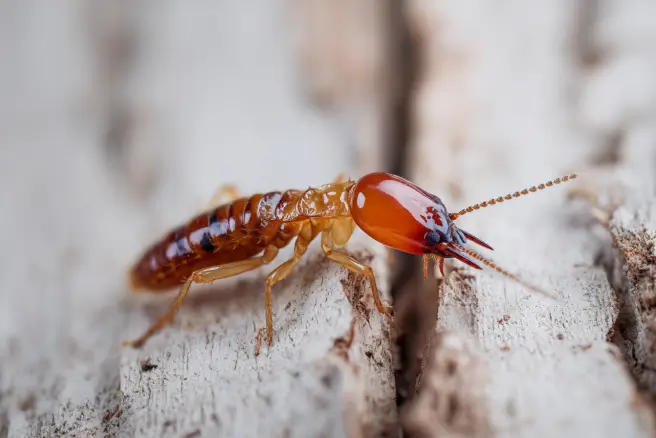
Termites are one of the most destructive pests a homeowner can face. Their ability to silently invade and damage structures makes it crucial to address infestations promptly and effectively. Ignoring a termite problem or delaying treatment can lead to extensive structural damage, costly repairs, and even compromise the safety of your home.
Why Immediate Action is Necessary
Termites are relentless pests that consume cellulose-based materials such as wood, paper, and other organic substances. Left untreated, an infestation can spread rapidly as colonies grow in size.
- Structural Damage: Termites weaken wooden structures by hollowing them out from the inside.
- Financial Costs: Repairing termite damage can cost thousands of dollars if not addressed early.
- Safety Concerns: Severe infestations may compromise the structural integrity of homes or buildings.
- Increased Infestation Risk: Neighboring properties could also become infested if colonies are left unchecked.
The Role of Professional Treatment
While DIY termite control might seem like an economical solution, professional treatment is usually necessary for effective eradication. Trained pest control experts use advanced tools and techniques to locate colonies, identify species, and apply targeted treatments.
- Accurate Identification: Professionals identify whether your home is affected by subterranean termites, drywood termites, or other species.
- Customized Solutions: Experts design tailored plans based on the extent of infestation and type of termites involved.
- Long-Term Prevention: Professional treatments typically include measures to protect your property from future invasions.
Strategies for Effective Termite Elimination
Several methods are available for treating termite infestations effectively.
| Treatment Method | Description | Advantages |
| Liquid Termiticides | Applied around a building’s perimeter | Creates a barrier to repel/kill termites |
| Termite Bait Systems | Attracts termites with poisoned bait | Targets colonies directly |
| Fumigation | Involves filling an area with gas | Eliminates drywood termites effectively |
| Wood Treatments | Application of borates or other chemicals | Prevents new infestations |
Preventive Measures Post-Treatment
Once treated, maintaining vigilance is key to avoiding reinfestation.
- Reduce moisture levels around your home (e. g. , fix leaks or ensure proper drainage).
- Store firewood away from the house foundation.
- Use treated wood in construction projects where possible.
- Schedule regular inspections by pest control professionals.
By addressing termite problems swiftly and partnering with experts who employ proven methods, homeowners can protect their investment and maintain peace of mind regarding their property’s safety.
Effective Miami Termite Control: Protecting Your Home from Subterranean Termites
Subterranean termites are one of the most destructive species of termites found worldwide. They live below ground in large colonies and feed on cellulose-based materials such as wood, paper, and other plant products. These pests thrive in moist environments and are known for causing significant structural damage to homes over time. Understanding their behavior, habitat, and the risks they pose is essential for effective management and prevention.
Effective Miami Pest Control Tips for Subterranean Termites
- Habitat: Subterranean termites build their nests underground and use mud tubes to travel to above-ground food sources.
- Diet: Their primary food source is cellulose, making wooden structures, flooring, furniture, and books vulnerable.
- Colony Size: A single subterranean termite colony may consist of hundreds of thousands or even millions of members.
- Workers: Responsible for gathering food and maintaining the nest.
- Soldiers: Defend the colony from threats like ants or other predators.
- Reproductives (Kings & Queens): Reproduce to expand the colony.
How an Exterminator Miami, FL Can Help Prevent Subterranean Termites
- Cracks in foundations or walls.
- Gaps around utility pipes or cables entering the structure.
- Direct contact with wood that touches soil, such as deck posts or fences.
- Mud tubes constructed along walls or other surfaces.
Once inside a home, they can remain undetected for months or even years while consuming wooden materials from the inside out.
Effective Termite Removal Miami Services to Protect Your Home
The damage caused by subterranean termites is often extensive due to their feeding habits.
- Structural Weakness: Over time, they hollow out wooden beams, floors, and support structures, compromising your home’s safety.
- Hidden Damage: Since subterranean termites consume wood from within, damage is not always visible until it becomes severe.
- Costly Repairs: According to industry reports, homeowners in the U. S. spend billions of dollars annually on termite-related repair costs.
| Key Metric | Statistics |
| Annual U.S. Repair Costs | Over $5 billion |
| Colony Size | Ranges from thousands to millions |
| Preferred Habitat | Moist soil with nearby wood |
Preventing Subterranean Termite Damage
Perform Routine Inspections
- Look for mud tubes along walls or foundations.
- Examine wooden structures for hollow sounds when tapped.
Eliminate Moisture Sources
- Fix leaks in plumbing or roofing promptly.
- Ensure proper drainage around your home’s foundation.
Use Treated Wood
Install pressure-treated wood for decks and fencing since it is less attractive to termites.
Professional Intervention
Engage licensed pest control professionals who can implement long-term termite management solutions like bait systems or liquid treatments around your property perimeter.
By understanding their behavior and taking appropriate steps against infestations early on, you can protect both your home’s integrity and value effectively over time.
How to Identify If You Have a Serious Termite Infestation Issue
Identifying a termite infestation early is critical to mitigating the damage these pests can cause. Termites are often called “silent destroyers” because they can chew through wood, flooring, and even wallpaper undetected. Understanding the signs of a serious termite infestation will allow you to act quickly and protect your property from structural damage and costly repairs.
- Mud Tubes: Subterranean termites build mud tubes to connect their colonies in the soil to food sources above ground. These pencil-sized tubes are often found on exterior walls, foundations, or crawl spaces.
- Swarmers or Discarded Wings: Winged termites (swarmers) emerge in large numbers during their reproductive season. If you find discarded wings near windowsills, doors, or light fixtures, it may indicate an active colony nearby.
- Hollow-Sounding Wood: Knock on exposed wooden structures around your home.
- Frass (Termite Droppings)These resemble sawdust or coffee grounds.
- Damaged Wood with Tunnels: When examining damaged wood, check for maze-like patterns of tunnels within the structure. This is a telltale sign of termite activity.
Subtle Indicators That May Suggest Deeper Issues
Sometimes, termite infestations remain hidden for years before significant damage becomes visible.
| Indicator | Potential Cause |
| Small pinholes in drywall | Termites entering through walls |
| Bubbling paint or uneven walls | Moisture from termite colonies |
| Unexplained cracks in ceilings | Structural weakening from termites |
DIY Inspection Tips
- Inspect Foundation Walls:Look for mud tubes along foundation walls inside basements or crawl spaces.
- Examine Outdoor Structures:Inspect wooden fences, decks, sheds, and tree stumps for visible termite damage.
- Tap Wooden Elements:Use a screwdriver or tapping tool to test beams and other wooden structures for hollowness.
When to Contact a Professional
If you notice any of the above signs—or even suspect termite activity—it is essential to contact a licensed pest control specialist immediately. Professionals use tools like moisture meters, infrared cameras, and borescopes to detect infestations that may not yet be visible.
Addressing a serious termite problem promptly reduces potential long-term structural damage while preventing costly repairs later on. Regular inspections and preventative measures can also ensure your property remains protected over time.
Comprehensive Termite Control Treatments to Eliminate Colonies
Effectively addressing a termite infestation requires a multifaceted approach. Termites are persistent pests that can silently cause extensive damage to structures. Comprehensive termite control treatments focus on eliminating existing colonies and preventing future infestations. Below, we explore the most effective treatment methods and strategies to combat termites.
Types of Termite Control Treatments
- Liquid Termiticides
Liquid termiticides are widely used to create a chemical barrier around the perimeter of a property. This method works by either repelling termites or killing them upon contact with the treated soil. - Long-lasting protection (up to 5-10 years with proper application)
- Effective against subterranean termites which rely on soil for survival
Common active ingredients in liquid termiticides:
| Chemical | Functionality | Longevity |
|———-|—————|———–|
| Fipronil | Non-repellent, kills by transfer effect | Up to 10 years |
| Imidacloprid | Non-repellent, disrupts nerve function in termites | 5-7 years |
- Termite Baiting Systems
Advanced baiting systems target termite colonies using slow-acting toxicants mixed with cellulose (a termite food source). These baits are strategically placed in high-activity areas, ensuring that worker termites transport the poison back to their colony. - Complete colony eradication over time
- Minimal impact on surrounding soil and ecosystems
- Wood Treatments
Pre-treating wood with chemicals like borates provides an additional layer of protection against drywood and dampwood termites. This is particularly useful for new constructions or during renovations. - Fumigation
Structural fumigation is necessary for severe infestations involving drywood termites that live directly within wooden structures. It involves sealing the building and introducing gaseous pesticides that penetrate deep into all areas, eradicating termites at all stages of development.
Steps for Effective Termite Treatment
- Inspection– Conduct a thorough assessment of the property to identify infestation extent, species type, and entry points.
- Customized Treatment Plan– Based on findings, develop a targeted solution combining multiple methods if needed.
- Application by Professionals– Engage licensed pest control professionals equipped with expertise and tools.
- Monitoring and Maintenance– Regularly inspect treated areas and maintain bait stations or barriers as necessary.
Comparison of Treatment Methods
| Method | Cost | Effectiveness | Environmental Impact |
| Liquid Termiticides | Moderate | High | Medium |
| Baiting Systems | High | Extremely High | Low |
| Wood Treatments | Low | Preventive Only | Low |
| Fumigation | Very High | Extremely High (for existing issues) |
Integrated Pest Management (IPM) Approach
For long-term success in controlling termites, an Integrated Pest Management (IPM) strategy is often recommended: – Combine chemical treatments with physical barriers such as steel mesh or sand barriers. – Address moisture issues contributing to conducive conditions for termites. – Regular maintenance of preventive measures (e. g. , sealing cracks in foundations).
By employing multiple strategies tailored specifically to the level of infestation and environmental factors present at the site, homeowners can ensure effective elimination while reducing damage risks over time.
How Advanced Termite Bait Systems Work to Destroy Entire Colonies
Termite bait systems are a modern and highly effective solution for combating termite infestations. Unlike traditional treatment methods that rely solely on chemical barriers, bait systems target the colony directly, aiming to eliminate termites at their source. Understanding how these advanced systems work can help homeowners and professionals utilize them effectively in the fight against termites.
The Science Behind Termite Bait Systems
Termite bait systems function by exploiting the natural foraging behavior of termites. Worker termites, which are responsible for feeding the colony, consume the bait and unknowingly share it with other members through a process called trophallaxis (a social feeding behavior). This ensures that the toxic effects of the bait spread throughout the colony, eventually leading to its collapse.
Key points about termite bait systems: – Active Ingredient: The baits contain slow-acting insect growth regulators (IGRs) or other chemical compounds that disrupt termite development or metabolism.Delayed Action: The slow action of the active ingredient allows worker termites ample time to transport it back to their nest.Colony Impact: Over time, the entire colony is affected as members die off gradually, preventing immediate suspicion of danger among surviving termites.
Components of a Termite Bait System
A typical advanced termite bait system includes: 1.Bait Stations
– These are strategically placed around a property, both above and below ground. – Stations are designed to attract foraging termites by mimicking wood or cellulose materials.
- Some systems include non-toxic monitoring stations initially used to detect termite activity before introducing toxic baits.
- Once activity is detected, cartridges containing pesticide-infused bait are installed in active stations.
| Component | Purpose |
| Bait Stations | To lure and attract foraging termites |
| Monitoring Devices | Detect initial termite presence |
| Toxic Bait Cartridges | Deliver pesticides to eliminate colonies |
Advantages of Using Termite Bait Systems
- Environmentally Friendly: Minimal use of pesticides compared to liquid treatments.
- Colony Elimination: Effective in targeting hidden colonies deep underground or within structures.
- Non-Invasive Installation: Causes less disruption compared to trenching or drilling methods required for chemical barriers.
- Ongoing Protection: Continuous monitoring ensures long-term termite management.
Steps in Deploying an Advanced Termite Bait System
- Conduct an inspection of the property to identify areas with potential termite activity.
- Install monitoring stations around high-risk areas such as foundations, crawlspaces, or wooden structures.
- Replace monitoring devices with toxic baits once termites are detected in sufficient numbers.
- Regularly check stations and replenish baits until activity ceases entirely.
Limitations and Precautions
While advanced bait systems offer effective results, there are limitations: – They require ongoing maintenance and monitoring over several months for full effectiveness. – Results may vary depending on factors such as colony size and environmental conditions.
By understanding how advanced termite bait systems operate, homeowners can make informed decisions when addressing infestations while ensuring long-term protection against these destructive pests.
How Advanced Termite Bait Systems Work to Destroy Entire Colonies
Advanced termite bait systems from professionals like www.miamitermitesolutions.com are an innovative and highly effective method for managing termite infestations. These systems are designed to eliminate entire colonies by targeting termites directly at their source. Understanding how these systems work can help homeowners and property managers make informed decisions when dealing with termite problems.
The Science Behind Termite Bait Systems
Termite bait systems operate on the principle of exploiting termites’ natural behavior. Termites are social insects that rely heavily on foraging workers to gather food for the colony. When a bait system is installed, it intercepts these foraging termites, providing them with a toxic food source that they unknowingly carry back to the rest of the colony.
- Slow-acting toxicants: The bait contains a slow-acting insecticide, allowing termites enough time to share it with other colony members through trophallaxis (a natural process where termites exchange food and nutrients).
- Colony-wide impact: As more termites consume the bait and share it within the colony, the population begins to decline systematically.
- Targeted elimination: Unlike liquid barrier treatments that repel termites, baits are designed to attract and eradicate them entirely.
Components of an Advanced Termite Bait System
| Component | Function |
| Bait stations | Installed in strategic locations around a property to detect activity. |
| Monitoring devices | Used initially to assess termite presence before introducing toxic baits. |
| Toxic baits | Contain cellulose (a primary food source for termites) laced with insecticides. |
Installation Process
- Inspection: A professional pest control technician inspects your property to identify areas of active infestation or high risk.
- Placement of stations: Bait stations are strategically installed around the perimeter of your home or near known infestation sites.
- Monitoring phase: Initially, non-toxic monitoring devices may be used within stations to detect active termite activity.
- Introduction of toxic baits: Once activity is detected, toxic baits replace monitoring devices.
- Ongoing surveillance: Technicians continue monitoring stations regularly to ensure effectiveness and replenish baits as needed.
Benefits of Using Termite Bait Systems
- Environmentally friendly:These systems use minimal chemicals compared to traditional soil treatments, reducing environmental impact.
- Non-invasive:Installation doesn’t require drilling into floors or walls, preserving your property’s structure.
- Effective against undetectable colonies:By targeting workers who forage far from their nests, even hidden colonies can be destroyed.
- Minimal disruption:Homeowners can remain in their homes during treatment without significant inconvenience.
Limitations and Considerations
- Results may take time as colony elimination depends on feeding cycles and rate of dissemination within the population.
- Regular maintenance is necessary; neglecting periodic inspections can reduce effectiveness.
- Professional installation is recommended as improper placement or usage can limit success.
Advanced termite bait systems provide a strategic solution for managing infestations by not just addressing immediate issues but also eliminating entire colonies from the root cause effectively over time.
Exploring the Damage Caused by Termites and Their Hidden Threats
Termites are often referred to as “silent destroyers” due to their ability to cause extensive damage while remaining undetected for long periods. Understanding the nature of this destruction and its implications is crucial for homeowners. Below, we delve into the various aspects of termite damage, including its types, signs, and potential costs.
Types of Damage Caused by Termites
Termites feed on cellulose, a major component of wood and plant materials. As a result, they target structural and non-structural elements in homes.
- Weakening foundational elements like beams, floor joists, and support structures.
- Compromising walls and ceilings, leading to sagging or buckling.
- Hollowing out wooden components from the inside, making them vulnerable to collapse.
- Damaging wooden furniture such as cabinets, tables, or chairs.
- Ruining decorative features like baseboards or crown molding.
- Peeling paint or bubbling surfaces due to moisture introduced by termites.
- Chewing through electrical wiring insulation can increase fire risks.
- Nesting in electrical outlets or behind appliances may cause short circuits.
Hidden Nature of Termite Threats
Termites operate covertly under floors, behind walls, or within crawl spaces, making them hard to detect. This hidden activity often results in significant destruction before homeowners even realize there’s an infestation.
- Silent Feeding Habits:
Subterranean termites work within wood structures without breaking surfaces until severe damage has occurred. - Moisture Attraction:
Damp environments are magnets for termites as they rely on water for survival. Leaks around pipes or poorly ventilated spaces can create ideal conditions for infestation.
Signs of Termite-Induced Damage
Recognizing symptoms early is key to mitigating costly repairs.
| Common Signs | Description |
| Mud Tubes | Pencil-sized tunnels along foundations and walls used by subterranean termites for travel. |
| Hollow Wood | Wooden structures sound hollow when tapped due to internal feeding activities. |
| Discarded Wings | Piles of termite wings near windowsills or doorways after swarming season ends. |
| Frass (Termite Droppings) | Pellet-like droppings near infested wood areas often found with drywood termites. |
Financial Impact
- Repair Costs:The average cost of repairing termite-damaged homes ranges between $3,000-$8,000 depending on severity.
- Home Value Reduction:Severe infestations may lower property values significantly if structural integrity is compromised.
- Preventive Treatments:Professional treatments aimed at preventing future infestations can cost $500–$2,000 annually.
Investing in early detection tools such as bait systems or inspections is far more affordable compared to addressing widespread problems after significant destruction occurs.
Understanding the latent risks posed by termites reinforces the importance of preventative measures and routine property assessments to safeguard against these hidden threats effectively.
- Effective Termite Treatment Miami: Why Addressing Infestations Promptly Matters
- Effective Termite Treatment Miami: Exploring the 4 Major Types and Their Effectiveness
- Effective Termite Treatment Miami: How Termites Enter and Infest Your Home
- What to Expect From a Comprehensive Miami Termite Control Process
- Effective Miami Termite Control: A Comprehensive Guide to Inspections
- Miami Termite Control: Effective Inspection and Treatment to Protect Your Home
- Effective Termite Treatment Miami: 5 Signs of Termite Damage to Protect Your Home
- How Miami Termite Control Can Help Identify Hollow-Sounding Wood as a Termite Indicator
Effective Termite Treatment Miami: Exploring the 4 Major Types and Their Effectiveness

Effective termite control is a critical aspect of maintaining structural integrity and protecting your property from costly damage. Termites, capable of devastating wooden structures, require tailored approaches to control their colonies and mitigate risks.
Liquid soil treatments are one of the most widely used methods for termite control, particularly for subterranean termites.
Key Features:– Targets termites before they enter the building. – Effective for long-term prevention.
Effectiveness:Liquid soil treatments are highly effective when applied correctly. They offer lasting protection but require professional application to ensure complete coverage.
| Pros | Cons |
| Provides long-term protection | Requires professional expertise |
| Prevents future infestations | May involve chemical exposure |
| Useful in pre-construction | Regular inspection needed |
Baiting systems are another popular approach.
How It Works:– Worker termites feed on the bait. – The toxic material disrupts growth or kills them over time. – Entire colonies can be eradicated through consistent use.
Effectiveness:This method is particularly effective for eliminating entire termite populations rather than just individual invaders, though it may take some time to achieve full results.
Advantages:– Less invasive compared to liquid treatments. – Eco-friendly options available.
Limitations:– Requires regular monitoring. – Slower acting compared to other methods.
Fumigation is a comprehensive treatment method often used in cases of severe infestations where other methods may not suffice. In this procedure, an entire structure is enclosed with a tent-like material and treated with gas that penetrates walls, floors, and tough-to-reach areas.
Key Aspects:– Eliminates drywood termites effectively. – Targets both visible and hidden infestations.
Effectiveness:Fumigation is highly efficient in eradicating existing termite populations but does not offer long-term preventive benefits.
Pros:
– Reaches inaccessible areas within a structure.
– Eradicates large infestations effectively.
Cons:
Requires vacating the property temporarily due to chemical exposure risks.
Wood treatments involve applying specialized products such as borates directly onto wooden surfaces during construction or renovation phases. These chemicals penetrate deep into wood fibers, making them unappetizing or toxic to termites.
Types of Wood Treatments:1. Surface sprays 2. Injected treatments 3.
Effectiveness:This method works best as a preventive measure rather than addressing active infestations in isolation.
| Benefits of Wood Treatments | Considerations |
| Long-lasting protection against decay | Limited application post-construction |
| Reduces risk of future damage | May require combining with other tactics |
Understanding these four major termite control techniques allows homeowners and property managers to select strategies tailored for specific needs while ensuring maximum effectiveness against these destructive pests. Combining methods often yields optimal results when managing infestations comprehensively.
Effective Miami Termite Control: Understanding Major Treatments for Infestation Management
When it comes to managing termite infestations, adopting the right treatment method is critical for protecting your property and ensuring long-term relief. Termites are persistent pests capable of causing severe structural damage if left unchecked. Understanding the available termite treatments can help you make informed decisions tailored to your specific needs.
Effective Miami Pest Control and Termite Treatment Options
Liquid soil termiticides are a widely used method that creates a chemical barrier in the soil surrounding a building. This barrier either repels termites or eliminates them as they attempt to navigate through treated areas.
Benefits:– Provides long-lasting residual protection (often up to 5-10 years depending on the product). – Works as both a preventive and curative solution. – Targets termites before they reach your property.
Considerations:– Requires professional application for optimal results. – Effectiveness may decline if the barrier becomes disrupted due to landscaping or soil movement.
| Liquid Soil Treatments | Key Highlights |
| Longevity | 5-10 years |
| Preventive | Yes |
| Professional Application | Required |
Termite baiting systems involve strategically placing bait stations around a structure.
Benefits:– Targets entire colonies, including hidden infestations. – Less invasive and environmentally friendly compared to chemical-based solutions. – Ideal for monitoring ongoing termite activity.
Considerations:– Requires regular maintenance and monitoring. – May take weeks or months for full effect, depending on colony size.
Specialized wood treatments include applying termiticides directly onto wooden structures or using borate-based solutions that penetrate wood fibers. These treatments protect wood from future infestations while eliminating existing colonies within treated areas.
Benefits:– Enhances wood longevity by preventing decay and pest damage. – Effective against both drywood termites and subterranean species.
Considerations:– Limited use on exposed wood; not suitable as a standalone solution in severe infestations.
Fumigation is typically reserved for extensive infestations involving drywood termites. It entails enclosing an entire structure under a tent and introducing fumigant gas to eliminate all pests inside.
Benefits:– Highly effective in eradicating drywood termite populations.
Considerations:– Involves significant preparation (e. g. , vacating premises entirely). – No residual protection; reinfestation is possible without further measures.
Key Factors for Choosing an Exterminator Miami, FL Services
- Extent of Infestation:Severe infestations may require fumigation, whereas minor attacks can be managed through baiting systems or spot treatments.
- Type of Termites:Subterranean termites often respond better to liquid soil barriers, while drywood termites may necessitate fumigation or direct wood treatment methods.
- Location of Infestation:Hidden colonies within walls might require specialized approaches like baits or localized injections into affected areas.
- Environmental Considerations:Eco-conscious homeowners may prefer baiting systems or natural solutions like orange oil over synthetic chemicals.
By assessing these factors carefully, property owners can effectively address termite issues while minimizing risks associated with improper treatments.
Effective Termite Removal Miami: Understanding Major Treatments for Infestations
Effective termite management relies on selecting the right treatment method tailored to the specific infestation type, degree of damage, and environmental factors. Here, we delve into the major termite treatment methods, their processes, and their effectiveness in controlling infestations.
Liquid soil treatments are among the most widely used methods due to their long-lasting protection against termites.
Key Features:– Targets subterranean termites by preventing them from accessing wood structures. – Long residual activity (can last up to 10 years when correctly applied).
Effectiveness:| Pros | Cons | |—————————————–|————————————–| | Provides long-term defense against reinfestation. | Requires professional application for best results. | | Acts as both a treatment and preventative measure. | May involve trenching or drilling around the property. | | Suitable for pre-construction and post-construction scenarios. | Potential environmental concerns if applied incorrectly.
Over time, this disrupts the colony’s population until it collapses.
Benefits of Baiting Systems:– Environmentally friendly—targets only termites. – Non-invasive method with little disruption to property. – Effective for long-term monitoring and control.
Considerations:– Slower acting compared to liquid treatments. – Requires regular maintenance and inspections by professionals.
Fumigation is used primarily for drywood termite infestations when they are widespread throughout a building’s structure. The process involves sealing off an entire building or specific sections with a tarp and introducing gaseous insecticides.
When Fumigation Is Appropriate:– Widespread drywood termite infestations inside walls or ceilings. – Situations where localized spot treatments are ineffective.
Steps Involved in Fumigation:1. Seal off the structure entirely with tarps. 2. Introduce a fumigant gas that permeates wood structures. 3. Ventilate thoroughly before re-entry.
While highly effective at eliminating infestations, fumigation does not provide residual protection against future invasions without additional measures like liquid termiticides or periodic inspections.
Wood treatments consist of applying insecticides directly onto wood surfaces or injecting them into infested areas of wooden structures. This method is particularly effective for drywood termites or as a preventative measure during construction.
Common Wood Treatment Options: – Surface sprays:Applied directly on untreated wood to prevent future infestations.Injectable foams:Used for targeted treatment in infested wooden areas such as baseboards or furniture.
These products typically contain borates—a naturally occurring compound toxic to termites but safe for humans when handled properly.
| Advantages | Limitations |
| Can be applied during construction as prevention. | Less effective as a standalone solution for large infestations. |
| Protects treated wood from both decay and termite damage. | May require repeat applications over time. |
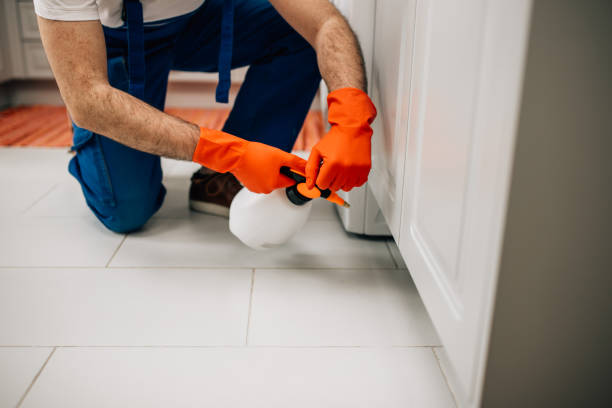
Choosing the Right Treatment
Determining which termite treatment is most appropriate requires considering factors such as: 1.Type of termite:Subterranean vs drywood species demand different approaches. 2.Infestation severity:Small colonies may be managed with baits, while larger ones might require soil treatments or fumigation. 3.Location:Structural vulnerabilities and climate can influence treatment efficacy. 4.Budget constraints:Some methods (such as fumigation) can be costly compared to others like baits or localized foam applications.
By understanding these primary methods, homeowners can make informed decisions about protecting their properties from costly termite damage while ensuring long-term efficacy in controlling infestations effectively.
The Importance of Liquid Soil Termite Treatments in Protecting Your Property
Liquid soil termite treatments are among the most widely used and effective strategies for managing termite infestations. Understanding how these treatments work, their benefits, and potential limitations is vital for protecting your property from termite damage.
How Liquid Soil Termite Treatments Work
Liquid soil termiticides act as a chemical barrier between termites and your home.
- Kill existing termites that come into contact with the treated soil.
- Repel termites to prevent them from tunneling toward the structure.
- Create residual protection by remaining active in the soil for an extended period.
The application process typically involves trenching around the foundation of a property or drilling holes into concrete slabs to inject the liquid solution directly into targeted areas.
Benefits of Liquid Soil Treatments
- Long-lasting Protection: Modern termiticides are designed to remain effective for several years, providing ongoing protection when applied correctly.
- Comprehensive Coverage: The chemical barrier shields your entire property, including hard-to-reach areas such as beneath concrete slabs or foundations.
- Effectiveness Against Subterranean Termites: This treatment specifically targets subterranean termites — one of the most destructive species — limiting their ability to access wood structures.
- Cost-effectiveness Over Time: While upfront costs can be significant, long-lasting benefits often outweigh repeated costs associated with alternative methods like baiting systems.
Considerations When Using Liquid Soil Termiticides
| Factor | Description |
| Proper Application | Requires professional expertise to ensure even distribution and coverage. |
| Environmental Impact | Some termiticides may pose risks to surrounding vegetation or water sources if not applied carefully. |
| Initial Cost | While durable, initial installation costs can be higher than other methods like baiting systems. |
It’s critical to engage licensed pest control professionals who have experience using liquid termite treatments safely and effectively.
Signs You May Need Liquid Termite Treatment
Before opting for this termite control method, it’s important to assess whether it suits your needs.
- Evidence of subterranean termite activity (e. g. , mud tubes near your foundation).
- Persistently high levels of moisture around the property that could attract termites.
- A history of termite infestations in your area or on your property.
Preventative application is also recommended if you live in regions prone to termite activity.
Enhancing Effectiveness Through Regular Maintenance
- Ensure annual inspections by professionals to check for breaches in the chemical barrier.
- Address moisture issues around your home (e. g. , leaky pipes or poor drainage) as damp conditions attract termites.
- Combine with other methods like wood treatments for additional layers of defense.
Liquid soil treatments play an essential role in maintaining structural integrity and minimizing costly damage caused by termites. By understanding how they work and seeking professional application services, you can safeguard your property effectively against these destructive pests while ensuring long-term peace of mind.
Choosing the Right Termite Treatment Based on the Severity of Infestation
Selecting the appropriate termite treatment is a critical step in ensuring the protection of your property and mitigating damage caused by these voracious pests. The choice of treatment largely depends on the severity of the infestation, species of termites, and specific conditions of your property. Below, we explore how to choose the right termite treatment for different scenarios.
Assessing the Severity of Infestation
Before deciding on a termite control method, it’s important to assess how severe the infestation is.
- Inspection by Professionals:Licensed pest control experts can identify active colonies, damage levels, and potential risks.
- Signs of Infestation:Look for telltale signs such as mud tubes, hollow wood, discarded wings, or frass (termite droppings).
- Extent of Structural Damage:The level of destruction in wood structures can indicate whether termites have been present for months or years.
Common Termite Treatments Based on Severity
| Treatment Type | Suitable for | Description | Effectiveness Level |
| Liquid Soil Treatments | Moderate to Severe Infestations | A chemical barrier is applied around building foundations to kill termites and prevent re-entry. | High |
| Wood Treatments | Light to Moderate Infestations | Chemicals or borates are applied directly to exposed wood surfaces to kill termites or make wood unpalatable. | Medium |
| Baiting Systems | Light to Severe Infestations | Bait stations with slow-acting toxic substances are placed around property perimeters to attract and kill colonies. | High |
| Fumigation | Severe & Widespread Infestations | A whole-structure treatment using gas fumigants that penetrate deeply into wooden structures. | Very High |
Tailoring Treatment Plans
- Identify Termite Species:Subterranean termites typically require soil treatments or baiting systems due to their underground habitats, while drywood termites may need fumigation or localized wood treatments since they live inside wooden structures.
- Consider Property Structure:Homes with crawl spaces or basements may benefit more from liquid termiticides that form protective barriers underground.
- Evaluate Environmental Impact:For eco-conscious homeowners, baiting systems can provide a less invasive option compared to liquid chemicals.
- Budget Constraints:Some treatments like fumigation are effective but costly; weigh cost vs effectiveness based on infestation scale.
When To Seek Professional Guidance
While DIY termite solutions exist (e. g.
– Experts have access to high-grade pesticides not available for residential use. – They conduct precise inspections ensuring no colony is left untreated. – Industry professionals often provide warranties for their services.
By carefully assessing infestation levels and consulting licensed professionals when necessary, homeowners can ensure long-term protection against these destructive pests while minimizing costs and environmental impact.
Enhancing Wood Longevity with Specialized Termite Wood Treatments
Protecting wooden structures and possessions from termites is crucial for maintaining their structural integrity and value over time. Specialized termite wood treatments are among the most effective strategies to enhance wood longevity and prevent infestations. These treatments not only deter termites but also reinforce the durability of the wood itself.
There are several specialized wood treatment options available, each designed to address specific risks and environments.
1.Surface Treatments
- Coatings such as borate-based solutions are applied directly to exposed wood.
- These treatments create a protective barrier that repels termites while also preventing fungal growth.
- Example: Borax or borate solutions are widely used due to their effectiveness and affordability.
2.Pressure Treatments
- Involves infusing chemical preservatives deep into the wood fibers under high pressure.
- Offers long-term protection against both termites and decay, making it ideal for outdoor applications such as fences, decks, or utility poles.
- Often used in lumber manufacturing before construction.
3.Oil-Based Treatments
- Penetrating oils, often infused with insect-repelling chemicals, provide an additional layer of protection.
- Common in furniture preservation as well as decorative wooden pieces.
4.Wood Sealing Products
- Sealants like polyurethane or acrylic can help resist moisture ingress – a factor that attracts termites – while simultaneously acting as a physical barrier.
Benefits of Specialized Termite Wood Treatments
- Prolonged Lifespan: Treated woods tend to last longer due to improved resistance against termite damage and weathering effects.
- Cost Efficiency: Preventative treatment reduces potential repair costs associated with extensive infestations.
- Sustainability: Many modern treatments use environmentally friendly chemicals, ensuring minimal ecological impact while safeguarding your investment.
Comparison Table of Common Wood Treatment Methods
| Treatment Type | Protection Level | Durability | Typical Use Case |
| Surface Coatings | Moderate | Short-Term (Requires Reapplication) | Interior finishes, small-scale projects |
| Pressure Treatments | High | Long-Term | Outdoor construction materials |
| Oil-Based Treatments | Medium | Medium-Term | Furniture preservation |
| Sealant Applications | Low (Moisture Protection Only) | Varies | Decorative or low termite-risk areas |
Factors Influencing Treatment Selection
- Location: Areas prone to moisture or high humidity require more robust protections like pressure-treated woods.
- Type of Wood: Different species respond differently to certain treatments—for instance, hardwoods may not absorb surface treatments as effectively as softwoods.
- Purpose: Furniture preservation might require aesthetic-friendly oil-based options, whereas structural components benefit more from pressure infusion techniques.
- Budget: While some methods like surface coatings are cost-effective upfront, longer-lasting solutions such as pressure treatment may offer better value over time despite higher initial costs.
By selecting a specialized termite wood treatment tailored to your needs, you can significantly enhance the longevity and resilience of your wooden assets while mitigating costly infestations over time.
- Effective Termite Treatment Miami: Why Addressing Infestations Promptly Matters
- Effective Termite Treatment Miami: Exploring the 4 Major Types and Their Effectiveness
- Effective Termite Treatment Miami: How Termites Enter and Infest Your Home
- What to Expect From a Comprehensive Miami Termite Control Process
- Effective Miami Termite Control: A Comprehensive Guide to Inspections
- Miami Termite Control: Effective Inspection and Treatment to Protect Your Home
- Effective Termite Treatment Miami: 5 Signs of Termite Damage to Protect Your Home
- How Miami Termite Control Can Help Identify Hollow-Sounding Wood as a Termite Indicator
Effective Termite Treatment Miami: How Termites Enter and Infest Your Home
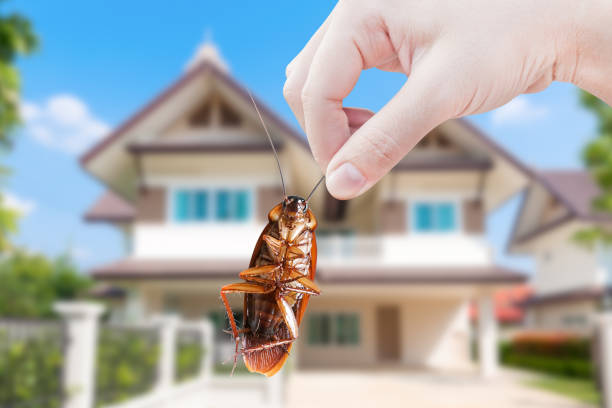
Termites are among the most persistent and destructive pests, capable of infiltrating your home in ways that may not be immediately obvious. Understanding how termites gain access to your property is crucial for preventing infestations and minimizing damage. Below are some of the most common entry points and pathways termites use to invade homes.
Cracks in Foundation or Walls
Termites, particularly subterranean species, often exploit tiny cracks or gaps in a building’s foundation or walls. These small openings provide an ideal entry point for termites to access interior structures, especially if the area is damp or poorly sealed.
- Settling of the home over time
- Poor construction practices
- Seasonal temperature changes causing expansion and contraction
- Regularly inspect the foundation for cracks and seal them with an appropriate filler.
- Use weather-resistant caulking around windows, doors, and vents.
Wood-to-Ground Contact
Termites thrive on cellulose-based materials like wood. Structures that allow direct contact between wood elements (such as door frames, deck posts, or siding) and the soil create a perfect pathway for termite infestations.
- Wooden fencing touching soil
- Tree stumps near your house foundation
- Wooden decks without proper support systems
- Maintain at least a six-inch gap between wooden structures and soil.
- Install metal barriers or concrete bases beneath wooden posts.
Moisture Accumulation
Moist environments attract termites by providing an ideal condition for their survival. Leaky pipes, clogged gutters, poor drainage systems, and condensation can lead to excess moisture around your home—a key factor that contributes to termite activity.
- Fix leaky faucets, pipes, or hoses promptly.
- Clean gutters regularly to prevent water buildup near the foundation.
- Ensure your home’s landscaping slopes away from the structure to promote proper drainage.
Gaps Around Utility Lines
Utility lines such as plumbing pipes or electrical wiring often pass through walls or foundations in residential properties. Termites can use these gaps as access points into your home if they are not properly sealed.
| Utility Line Entry Risks | Prevention Steps |
| Plumbing lines | Seal gaps with silicone caulk |
| HVAC ducts | Insulate ducts appropriately |
| Electrical wiring | Install foam sealant around openings |
Uninspected Wood Brought Indoors
Firewood stacks, untreated lumber, or even furniture can harbor termites that eventually spread inside your home when brought indoors without inspection.
- Inspect wooden items carefully before bringing them inside.
Effective Tips for Miami Pest Control and Preventing Termite Infestations
Preventing termites from entering your property requires vigilance and regular maintenance checks. Paying attention to potential entry points such as cracks in foundations, wood-to-ground contact areas, moisture-prone zones, utility line openings, and uninspected wooden items can significantly reduce risks associated with termite infestation. Using a combination of regular inspections and preventative measures will help protect both structural integrity and long-term peace of mind for homeowners.
How Miami Termite Control Can Protect Your Wooden Furniture from Infestations
Termites, often referred to as “silent destroyers,” are notorious for feeding on cellulose-based materials, which makes wooden furniture a prime target for their infestations. Understanding how termites invade and damage furniture, as well as how to protect it effectively, is crucial for homeowners.
Finding the Best Exterminator Miami, FL for Termites in Wooden Furniture
Yes, termites can live inside wooden furniture.
- Subterranean Termites: These termites live underground but can form tunnels that lead directly into wooden furniture. They rely on moisture from the soil to survive.
- Drywood Termites: Unlike subterranean termites, drywood termites do not need contact with soil or high levels of moisture. They can thrive within dry pieces of wood like chairs, tables, or cabinets.
Once inside your furniture, termites hollow out the wood from the inside while leaving a thin layer intact on the surface—making the damage nearly invisible until it becomes extensive.
Effective Termite Removal Miami: How to Spot Infestation Signs in Wooden Furniture
- Visible Droppings (Frass): Drywood termites leave behind small pellet-like droppings near infested areas.
- Hollow Sound: Knock on wooden furniture; if it sounds hollow or weaker than usual, this could indicate internal termite damage.
- Tiny Holes: Small pinholes may appear where termites have entered or exited.
- Warping or Bubbling Wood: Damaged wood may appear warped due to internal tunneling.
- Swarmers or Discarded Wings: If you see winged termites near your furniture or find discarded wings around windows and doors, it suggests an infestation nearby.
How to Protect Wooden Furniture from Termites
Preventing termite infestations requires regular maintenance and a proactive approach.
- Conduct routine checks for signs of termite activity.
- Inspect both visible and hidden surfaces of wooden furniture.
- Ensure proper ventilation in rooms with wooden furnishings.
- Use dehumidifiers in humid climates to reduce excess moisture that attracts subterranean termites.
- Treat wood with termiticides or borate-based solutions during manufacturing or regularly after purchase.
- Wax polish or varnish can create a protective barrier against termites.
If possible: – Elevate outdoor wooden furniture off the ground using stands or concrete bases.
| Natural Deterrents | Method of Application |
| Neem Oil | Apply directly onto infested surfaces |
| Orange Oil | Inject into small holes made by termites |
| Diatomaceous Earth | Dust around areas prone to infestation |
For advanced protection: – Hire pest control professionals to treat high-risk areas around your home with termiticides.
Preventive Maintenance Tips
- Store firewood away from your home since it may harbor colonies that could spread indoors.
- Avoid placing untreated wooden items directly on soil outside your house.
- Seal cracks in walls and flooring where pests might access indoor spaces.
By implementing these practices, you minimize the risk of termite damage while protecting your valuable investments in wooden furnishings effectively.
A termite infestation can be both a costly and stressful problem for any homeowner.
Common Causes of Termite Infestations
Several factors contribute to termite infestations.
- Subterranean termites, in particular, rely on moist soil to survive and access food sources like wood.
- Wooden structures that directly touch the soil offer an easy entry point for termites.
- Tiny cracks in a home’s foundation provide pathways for termites to infiltrate undetected. These pests only need minimal space to enter and establish colonies.
- Poor ventilation in crawl spaces also promotes moisture buildup, further enticing them.
- Mulch used in gardens retains moisture and often consists of cellulose materials that termites feed on.
Key Prevention Tips for Termite Infestations
- Eliminate Excess Moisture
Address any plumbing leaks promptly and ensure proper drainage around your home’s foundation. - Inspect Your Foundation Regularly
Check for cracks or gaps around your foundation or walls and seal them with caulk or other appropriate materials. - Maintain Proper Distance Between Wood Structures and Soil
Ensure there is at least an 18-inch gap between wooden structures (e. g. , deck posts) and soil surfaces. Use concrete bases when possible as barriers. - Store Firewood Away from Your Home
- Choose Mulch Alternatives
Consider using non-cellulose-based landscaping materials like gravel or rubber mulch near foundations instead of traditional wood mulch.
Comparing Preventive Measures: A Table Overview
| Prevention Method | Effectiveness Rating (1–5) | Notes |
| Sealing Cracks | 5 | Reduces primary entry points |
| Eliminating Moisture Sources | 5 | Most effective against subterranean termites |
| Distance Between Wood & Soil | 4 | Requires regular monitoring |
| Firewood Storage Management | 4 | Practical but needs consistent effort |
| Use of Non-Wood Mulch | 3 | Good supplementary measure |
Small efforts like routine inspections combined with proper maintenance practices go a long way in keeping these destructive pests at bay.
Understanding the different types of termites that might invade your property is crucial for implementing effective prevention and control strategies. Termites are generally classified into three main types: subterranean, drywood, and dampwood termites.
Subterranean Termites
Subterranean termites are among the most destructive species.
- Typically light cream or brown in color.
- Require contact with moisture for survival.
- Live in colonies that can number in the millions.
- Cracks in building foundations.
- Expansion joints or gaps around plumbing pipes.
- Wooden structures or debris in contact with soil.
| Feature | Description |
| Feeding Habits | Consume cellulose-based materials (e.g., wood). |
| Colony Size | Extremely large, up to millions of individuals. |
| Damage Potential | High – cause extensive structural harm quickly. |
Drywood Termites
Drywood termites differ from their subterranean counterparts because they do not need soil contact to survive. They infest dry wood and are often found in furniture, framing, and hardwood floors.
- Smaller colonies compared to subterranean termites.
- Create smooth-walled galleries inside wood instead of mud tubes.
- Leave behind frass (pellet-like droppings), a key indicator of their presence.
- Exposed wooden beams or attics.
- Wooden furniture or antique items.
- Door and window frames.
| Feature | Description |
| Moisture Requirement | Low – thrive in dry environments. |
| Detection | Frass near wooden structures; sounds when tapping wood. |
| Damage Rate | Moderate but gradual over time. |
Dampwood Termites
As their name suggests, dampwood termites prefer moist environments and decayed wood with high water content.
- Larger than other termite species.
- Do not require soil contact but depend on moisture-rich environments.
- Less likely to infest homes unless leaking pipes or poor drainage provide ideal conditions.
- Areas with high humidity like basements or crawl spaces.
- Wood damaged by water leaks or fungal decay.
| Feature | Description |
| Habitat | Wet, decayed wood – often outdoors near vegetation. |
| Entry Points | Leaks near roofs, gutters, or plumbing issues. |
| Damage Level | Localized due to limited colony size. |
How to Identify and Manage Each Type
- Subterranean termites can often be managed with baiting systems and soil treatments containing termiticides. Ensure proper drainage to reduce excess moisture around your home’s foundation.
- Drywood termite infestations may require fumigation or targeted spot treatments using borates or other insecticides designed for dry environments.
- Dampwood termite management starts by addressing moisture issues such as repairing leaks, removing water-damaged wood, and ensuring proper ventilation indoors.
Understanding these termite types equips homeowners with the knowledge needed for early detection and effective intervention strategies tailored to each species’ unique behavior patterns. With regular inspections and preventative measures, you can significantly reduce the risk of costly damage caused by these pests.
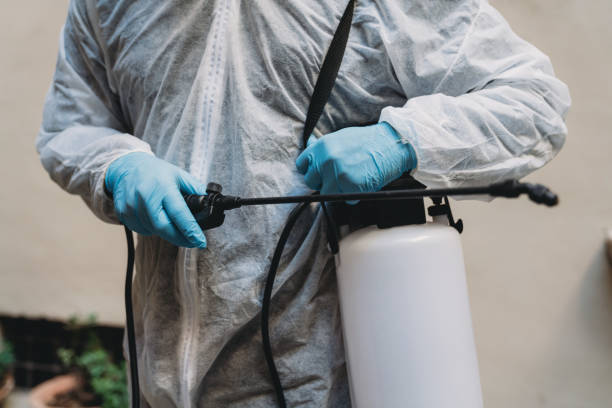
How Mulch and Other Organic Materials Attract Termites to Your Home
Certain landscaping materials, such as mulch and other organic debris, create ideal conditions for termite activity. Understanding how these materials attract termites can help homeowners take preventative measures to protect their property.
Why Mulch Attracts Termites
Mulch is widely used in landscaping for its ability to retain soil moisture, regulate temperature, and enhance aesthetics.
- Moisture Retention: Mulch helps the soil retain moisture, creating a damp environment that termites find attractive.
- Food Source: Most types of mulch are made from wood or bark chips – materials that serve as a food source for termites.
Common Organic Materials That Attract Termites
Beyond mulch, other organic materials around your home can also encourage termite activity.
- Wood Piles: Stacked firewood or lumber placed directly on the ground is highly appealing to termites.
- Tree Stumps and Dead Trees: Decaying trees or stumps provide both food and shelter for termites.
- Leaf Litter: Accumulated leaves create a moist environment where termites can thrive.
- Compost Piles: Organic compost materials like fruit peels or garden waste can attract not only termites but other pests as well.
Best Practices to Prevent Termite Attraction
- Opt for non-cellulose-based mulches like rubber or stone instead of wood-based options.
- Cedar mulch is less appealing to termites compared to other types of wood mulch because it contains natural oils that deter pests.
- Keep mulch layers no thicker than 2–3 inches to reduce moisture retention.
- Avoid piling mulch directly against the foundation of your home.
- Create a barrier by leaving at least 6–12 inches between your home’s foundation and any organic material.
- Use gravel or inorganic material near the base of your house instead of wood-based products.
- Keep firewood stacks elevated at least 18 inches off the ground.
- Check areas with heavy vegetation or mulching for signs of termite activity, such as mud tubes or damaged wood.
Comparing Mulch Types Based on Termite Risk
| Mulch Material | Risk Level | Notes |
| Wood/Bark Chips | High | Highly attractive due to cellulose content |
| Cedar | Medium | Natural oils offer some resistance |
| Rubber | Low | Non-organic; does not attract termites |
| Gravel/Rock | Very Low | Inorganic; no food value for termites |
By understanding how mulch and other organic materials contribute to termite infestations, homeowners can take proactive steps to reduce these risks while maintaining their landscapes effectively. Proper management not only preserves your property’s aesthetic appeal but also safeguards it against costly structural damage caused by termite infestations over time.
How to Get Rid of Termites and Protect Your Home from Future Infestations
Termites can cause significant structural damage to homes if not addressed promptly. Proper eradication and preventative measures are key to maintaining a termite-free environment. Below is a comprehensive guide on how to deal with termites and ensure your home remains protected from future infestations.
Steps to Eliminate Termites
- Look for signs of termite activity such as mud tubes, hollow-sounding wood, discarded wings, or damaged timber.
- Consider hiring a professional pest control expert for an inspection if you’re uncertain about the presence of termites.
- Select an Effective Treatment Method
There are several options for removing termites: - Chemical Treatments (Termiticides):
Liquid termiticides can be applied around the foundation of your home to create a barrier that kills termites when they come into contact with it.
| Type | How It Works |
| Repellent Termiticides | Prevent termites from entering treated areas |
| Non-Repellent Termiticides | Kills termites after they unknowingly ingest it |
Bait Systems:
Install bait stations around your property that attract termites with cellulose materials laced with slow-acting poison. These systems target entire colonies over time.- Heat Treatment:
Heat treatment involves raising the temperature of the infested area to levels lethal for termites (typically above 120°F). This method is environmentally friendly but may require professional help. - Fumigation:
For extensive infestations, fumigation might be necessary. While effective, this process requires tenting your home and vacating it temporarily. - Remove Infested Items
If possible, dispose of wooden furniture, drywall sections, or other materials that are severely damaged by termites to prevent further spread.
Tips for Preventing Future Infestations
- Fix leaky pipes and faucets promptly.
- Use dehumidifiers in damp areas like basements.
- Ensure proper drainage around the foundation by installing gutters and downspouts.
- Keep wooden structures such as decks or fences elevated above ground level using concrete bases.
- Avoid stacking firewood or lumber directly against your house.
- Maintain Proper Ventilation:
Crawl spaces should have adequate airflow since poor ventilation can lead to moisture buildup, creating favorable conditions for termites. - Limit Mulch Use Near Your Foundation:
Organic mulches can attract subterranean termites due to their cellulose content and moisture retention properties:
| Mulch Type | Risk Level |
| Wood Chips | High – Attractive to Termites |
| Rubber Mulch | Low – Non-organic material |
Seal Entry Points:
Inspect your home’s exterior regularly for cracks in walls, gaps around utility lines, or loose-fitting windows and doors, sealing any openings that could serve as entry points.- Schedule Routine Inspections:
Professional inspections once every 1-2 years can help catch early signs of infestation before serious damage occurs.
When to Call Professionals
While DIY efforts can be successful in mild cases, severe infestations often require professional pest control services with expertise in termite removal methods like fumigation or advanced bait systems.
By combining effective treatment methods with consistent preventative measures, you can protect your home not only from current infestations but also from potential future threats posed by these destructive pests.
Detecting Termite Activity Early to Prevent Serious Structural Damage
These pests often remain hidden in walls, furniture, or foundations, making it challenging to detect their presence until significant destruction has occurred. By understanding the signs of termite infestations and implementing proactive monitoring methods, you can safeguard your property effectively.
Signs of Termite Activity
Early detection begins with recognizing the subtle signs termites leave behind.
- Mud Tubes: Subterranean termites create pencil-thin tunnels made of mud on walls, floors, or foundations as a means of travel between their nests and food sources.
- Hollow-Sounding Wood: When tapped, infested wood may sound hollow due to internal tunneling by termites.
- Discarded Wings: Reproductive termites (swarmers) shed their wings after finding a new home. Piles of discarded wings near windowsills or doors may indicate an infestation.
- Frass (Termite Droppings): Drywood termites leave behind small piles of pellet-shaped droppings near infested areas.
- Warped or Bubbling Paint: Termites can cause paint to blister or bubble as they tunnel close to the surface of wooden structures.
Tools and Techniques for Early Detection
- Professional Inspections: Hiring a licensed pest control expert for annual inspections ensures thorough checks in areas prone to infestation.
- Moisture Meters: Excess moisture attracts termites. Using a moisture meter can help identify damp areas where termites are more likely to thrive.
- Acoustic Detection Devices: These tools pick up faint sounds caused by termite activity within walls.
- Install bait stations around your property’s perimeter.
- Regularly check wooden stakes buried in soil for signs of termite presence.
Areas at High Risk for Infestation
Certain parts of your home are more vulnerable to termite activity than others due to environmental factors such as moisture levels and wood accessibility.
| Area | Why It’s High Risk | Suggested Action |
| Foundation | Close contact with soil | Ensure proper drainage; seal cracks |
| Crawl Spaces | High humidity levels | Use vapor barriers; improve ventilation |
| Attics | Hidden wooden beams | Inspect regularly; treat exposed wood |
| Basements | Damp conditions attract termites | Install dehumidifiers |
Preventative Measures
- Repair leaks promptly, as excess water creates an ideal environment for termites.
- Store firewood away from the house and off the ground.
- Avoid direct wood-to-soil contact by installing concrete barriers or other materials under wooden structures.
Acting swiftly upon detecting any signs of infestation minimizes structural damage and reduces repair costs over time while maintaining the integrity of your property.
- Effective Termite Treatment Miami: Why Addressing Infestations Promptly Matters
- Effective Termite Treatment Miami: Exploring the 4 Major Types and Their Effectiveness
- Effective Termite Treatment Miami: How Termites Enter and Infest Your Home
- What to Expect From a Comprehensive Miami Termite Control Process
- Effective Miami Termite Control: A Comprehensive Guide to Inspections
- Miami Termite Control: Effective Inspection and Treatment to Protect Your Home
- Effective Termite Treatment Miami: 5 Signs of Termite Damage to Protect Your Home
- How Miami Termite Control Can Help Identify Hollow-Sounding Wood as a Termite Indicator
What to Expect From a Comprehensive Miami Termite Control Process
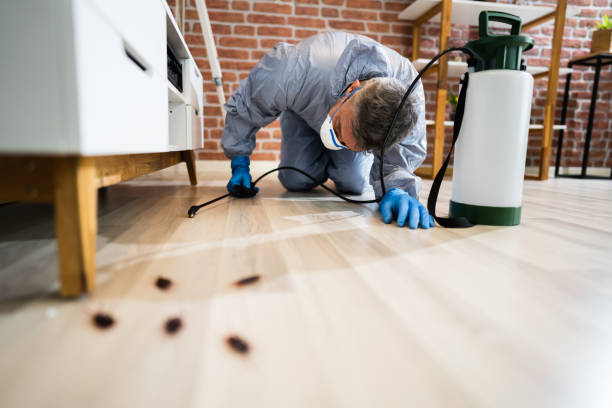
Termites can quietly cause significant damage to your property without any immediate noticeable signs. A comprehensive termite treatment process is essential not only for eliminating existing infestations but also for preventing future issues. Below, we’ll outline what you should expect from a thorough termite treatment process.
1. Initial Inspection and Assessment
The first step in a termite treatment plan is a detailed inspection conducted by a licensed pest control professional. During this stage:
– The specialist will examine both the interior and exterior of the property, looking for evidence of termites such as mud tubes, discarded wings, or damaged wood.
– Moisture readings and structural assessments may be conducted to identify areas most vulnerable to infestation.
– The inspector will determine the type of termites present — such as drywood termites or subterranean termites — as each requires a specific method of treatment.
2. Developing a Customized Treatment Plan
Once the initial inspection is completed, the pest control professional will create a tailored treatment plan based on:
– The severity of the infestation.
– The species of termites identified on the property.
– The construction type and layout of your home or building.
This personalized plan ensures targeted results while minimizing potential disruption to your daily routine.
3. Treatment Implementation Methods
- a) Soil Treatments: Subterranean termites live underground and often require soil treatments using termiticides as barriers around the foundation perimeter.
| Soil Treatment Benefits | Details |
| Prevents reinfestation | Creates an impenetrable chemical barrier between soil and structure. |
| Long-lasting | Effective for several years when properly applied. |
- b) Wood Treatments: Wood treatments involve applying termiticides directly to wooden elements susceptible to attack by termites, protecting both untreated wood and halting active infestations in treated structures.
- c) Baiting Systems: This technique involves placing bait stations around your property that attract workers from termite colonies before exposing them to slow-acting insecticides designed to spread back through the colony.
4. Monitoring Post-Treatment
A professional termite treatment process doesn’t end with application alone but continues with monitoring systems that evaluate its success over time: – Regular inspections over weeks or months ensure all colonies have been eradicated. – Bait stations are checked periodically for additional activity.
5 Key Expectations During Comprehensive Treatments
Here’s what homeowners can generally expect throughout this process: 1) Minimal disruption – Professionals take care in treating areas unobtrusively. 2) Ongoing support – Follow-ups after initial intervention keep reoccurrence risk low .
Effective Termite Treatment Miami: Inspecting Your Home Inside and Out
Performing a thorough inspection of your home for termites is a crucial step in preventing costly damage. By carefully examining both the exterior and interior of your property, you can identify early signs of infestation and take prompt action. Below is a detailed guide on how to inspect your home’s exterior, perimeter, and interior effectively.
Inspecting the Exterior of Your Home
- Check Foundation Walls: Look for mud tubes along the foundation walls. These pencil-sized tunnels are used by subterranean termites to travel between their colony and food sources.
- Examine Wood-to-Ground Contact: Wooden structures like decks, fences, or door frames that touch the ground are highly vulnerable. Check for any signs of decay or termite damage.
- Inspect Eaves and Rooflines: Termites can sometimes enter through cracks near eaves, soffits, or fascia boards. Look for bubbling paint or hollow-sounding wood.
- Assess Landscaping Features: Mulch beds and tree stumps near your home can attract termites. Ensure they are at least 18 inches away from your foundation.
Examining the Perimeter
- Look for Mud Tubes Around Perimeter Walls: These tubes may appear on concrete slabs, brickwork, or crawl spaces.
- Monitor Moisture Levels: Areas with poor drainage or standing water create ideal conditions for termites. Check gutters and downspouts to ensure proper water flow away from your home’s foundation.
- Inspect Nearby Structures: Sheds, gazebos, or detached garages located within close proximity should also be reviewed for potential infestations.
| Area Inspected | Signs to Look For | Preventive Actions |
| Foundation Walls | Mud tubes | Seal cracks immediately |
| Wood-to-Ground Contact | Decay or hollow wood | Install barriers between wood & soil |
| Landscaping Features | Presence of mulch/stumps | Keep them at a safe distance |
Investigating the Interior
- Knock on wooden baseboards and listen for hollow sounds.
- Look for small holes that could indicate termite exit points.
- Examine these areas closely as they are often targeted by drywood termites.
- Watch out for frass (termite droppings), which resemble sawdust.
- Gently tap walls with a screwdriver; if they sound hollow, it may indicate an infestation.
- Check painted surfaces for bubbling or peeling paint caused by moisture buildup from termites.
- Search dark corners where wood meets insulation.
- Use a flashlight to spot potential mud tubes in structural beams.
Using Tools During Inspection
To enhance accuracy during inspections: – Use a flashlight to illuminate dark areas like crawl spaces or basements. – A screwdriver helps probe questionable woodwork gently without causing extensive damage. – Moisture meters are useful tools when checking damp areas prone to attracting termite colonies.
By conducting regular inspections across these areas with diligence, homeowners can significantly reduce their risk of severe termite-related damage while maintaining structural integrity over time.
Thorough Tips for a Complete Miami Pest Control Inspection of Your Home
A thorough termite inspection is an essential part of protecting your property from structural damage. Detecting termites early can save you from costly repairs and ensure the safety of your home. Below, we outline how to systematically inspect your home’s exterior, perimeter, and interior for signs of termites.
Inspecting the Exterior of Your Home
- Check wooden structures such as decks, fences, or trellises that come into direct contact with soil.
- Look for mud tubes or wood that appears hollowed out.
- Examine cracks or crevices in concrete foundations where subterranean termites could enter.
- Search for mud tubes along walls, which are often a sign of termite activity.
- Inspect wood siding, particularly near the base where it meets the ground.
- Look for bubbling paint or warping wood, which might indicate termite damage beneath the surface.
Assessing the Property Perimeter
- Mulch retains moisture and can attract termites. Check mulch beds near your foundation for signs like mud tubes or small piles of wings from swarming termites.
- Firewood stacked near the house can harbor termites. Ensure it is stored at least 20 feet away from your home and off the ground.
- Damp soil conditions around your home’s perimeter can attract subterranean termites. Ensure proper drainage by diverting water away from your foundation with downspouts or grading.
Inspecting Your Home’s Interior
- Tap walls lightly to listen for hollow sounds; this may indicate termite tunnels inside wooden structures.
- Check for faint lines or “maze-like” patterns on drywall—these could be signs of tunneling beneath paint or wallpaper.
- Look along baseboards for small piles of what resembles sawdust (frass), which is actually termite droppings.
- Check hardwood floors for blisters or sagging spots caused by weakened wood beneath.
- Examine wooden frames around windows and doors; peeling paint or tiny pinholes could signal termite activity.
- Push gently into these areas with a screwdriver—softened wood suggests internal damage caused by these pests.
- Bathrooms, kitchens, basements, and laundry rooms often attract termites due to higher humidity levels.
- Use a moisture meter in suspect areas to identify dampness that may indicate a conducive environment.
Termite Inspection Checklist Table
| Area Inspected | Key Signs to Look For | Tools Needed |
| Exterior Foundation | Mud tubes, cracks | Flashlight |
| Wooden Structures | Hollowed-out wood | Screwdriver |
| Mulch Beds | Discarded wings | Trowel |
| Walls/Ceilings | Soft spots; faint lines | Hammer |
| Baseboards | Frass (termite droppings) | Magnifying glass |
Regular inspections following these steps offer significant benefits in detecting early warning signs before major infestations occur. By taking a methodical approach to examining both external and internal areas of your property, you’ll better understand whether it’s time to seek professional pest control assistance.
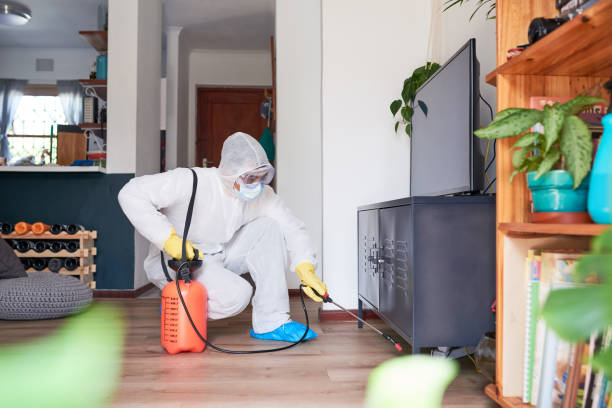
How to Spot Termite Damage and When to Call an Exterminator Miami, FL
Termites can cause severe damage to homes and buildings, often going unnoticed until the problem worsens. A critical aspect of termite control is recognizing the signs of moisture and structural damage that these pests leave behind. By identifying these early indicators, homeowners can act promptly to mitigate further destruction.
Common Signs of Moisture Damage Caused by Termites
- Warped Walls or Floors: Excessive moisture from termite activity can cause walls, wooden floors, and ceilings to appear warped or buckled.
- Peeling Paint: Paint that bubbles or peels may indicate hidden moisture linked to termite tunnels beneath the surface.
- Mildew Odor: A musty smell near wooden structures is often associated with damp conditions caused by termites.
- Softened Wood: Wood weakened by excessive moisture might feel spongy when touched.
Indicators of Structural Damage
- Hollow-Sounding Wood
When tapped or knocked on, termite-damaged wood often produces a hollow sound due to internal tunneling. - Mud Tubes
Subterranean termites construct mud tubes along walls, foundations, and crawl spaces as protective pathways between their nests and food sources. - Cracks in Walls or Ceilings
Termite activity within wooden supports may lead to noticeable cracks in drywall and ceilings over time. - Sagging Doors or Windows
Frames compromised by termites may swell due to moisture buildup, causing doors and windows to stick or sag.
Comparing Moisture vs Structural Damage
| Type of Damage | Common Indicators | Likely Cause |
| Moisture Damage | Warped wood, peeling paint, mildew odor | Damp environment created by termites |
| Structural Damage | Cracks in walls/ceilings, hollow-sounding wood | Internal tunneling weakening support |
Why Moisture Control Matters
- Repair plumbing leaks immediately.
- Ensure gutters direct water away from your home’s foundation.
- Install dehumidifiers in high-humidity areas like basements.
By understanding the correlation between termites and both moisture-related issues and structural damage, homeowners can better protect their properties from these destructive pests while minimizing costly repairs down the line.
Effective Termite Removal Miami: How Soil Treatments Create a Barrier Against Subterranean Termites
Soil treatment is one of the most effective ways to combat subterranean termites, which are among the most destructive termite species. This treatment method focuses on creating a chemical barrier in the soil around and beneath a structure to prevent termites from accessing wood and other cellulose-based materials. Let’s explore how soil treatment works and what it entails.
How Soil Treatment Works
Soil treatment involves applying termiticides—specialized insecticides designed to repel or eliminate termites—directly into the ground surrounding a property. This creates an invisible protective layer that prevents subterranean termites from tunneling through the soil and accessing your home or building.
The process typically works in two ways: – Repellents: Certain termiticides create a physical barrier that deters termites from advancing toward the structure. – Non-repellent termiticides: These allow termites to come into contact with the chemical, which they unknowingly transfer back to their colonies. Over time, this eliminates an entire colony of termites.
Steps Involved in Soil Treatment
- The pest control expert examines your property for existing termite activity and specific areas prone to infestation, such as cracks in foundations or moist soil.
- A detailed analysis determines where termiticides should be applied.
- Any debris, organic material, or wood near the foundation is cleared away.
- Holes are often drilled into slabs or concrete foundations for direct application beneath these surfaces.
- Liquid pesticides are applied directly into trenches dug around your home’s perimeter.
- For areas with concrete slabs, injection methods are used for precise delivery under these surfaces.
- After initial application, follow-up visits may be scheduled to monitor effectiveness and reapply as necessary, especially if heavy rains dilute the chemicals over time.
Benefits of Soil Treatment
Soil treatments offer several advantages when it comes to termite prevention: – Long-lasting protection: Some treatments can remain effective for up to 5–10 years when properly maintained. – Prevention-focused approach: Soil barriers deter new colonies from entering your property while simultaneously addressing existing infestations that attempt intrusion. – Customizable solutions: Treatments can be tailored based on factors like local termite species and environmental conditions.
| Benefits | Details |
| Long-Term Efficacy | Treatments can last several years with proper care. |
| Colony Elimination | Non-repellent chemicals effectively destroy colonies at their source. |
| Adaptability | Can be customized based on specific environmental factors. |
Environmental Considerations
While soil treatments are highly effective, modern pest control practices emphasize safety for both humans and the environment: – Many termiticides today are low-toxicity formulations approved by regulatory authorities. – Precautions ensure minimal impact on non-target organisms such as plants or beneficial insects like bees.
For homeowners looking for an environmentally friendly approach, some pest control companies offer natural options using essential oils or plant-derived compounds; however, these may not provide long-lasting results compared to standard synthetic termiticides.
Maintenance and Reapplication
Even though quality soil treatments have impressive longevity, periodic inspections are essential: – Heavy rainfall can sometimes dilute chemicals in treated zones. – Shifting soil due to landscaping changes may disrupt protective barriers.
To maintain optimal protection against subterranean termites, homeowners should schedule regular inspections every one or two years with licensed professionals.
Soil treatment remains an indispensable strategy against subterranean termite infestations because it targets both immediate threats and long-term prevention needs effectively when performed correctly by trained professionals.
How Treated Wood Can Eliminate Existing Termite Colonies and Prevent Future Infestations
Using treated wood is an effective strategy for combating termites and preventing future infestations. Treated wood is designed to resist termite attacks by incorporating chemicals that are toxic to termites or disrupt their life cycles. This approach is commonly used in construction, furnishing, and landscaping projects where wood is a primary material.
The Science Behind Treated Wood
- Pressure-Treated Wood: This type of wood is infused with preservatives such as chromated copper arsenate (CCA), alkaline copper quaternary (ACQ), or borates under high pressure. These chemicals make the wood unappealing to termites and prevent fungal decay.
- Borate Treatments: Borates are water-soluble minerals that can penetrate deeply into the wood’s core. They act as a slow-acting poison for termites when ingested and can also disrupt their reproduction cycle.
- Surface Treatments: In some cases, untreated wood may be coated with termite repellents or insecticides on its surface for short-term protection.
| Treatment Type | Primary Purpose | Longevity | Common Applications |
| Pressure-Treated Wood | Protection against termites and fungi | Decades | Decks, fences, structural beams |
| Borate Treatments | Target existing colonies and prevent infestations | Varies | Structural elements, furniture |
| Surface Coatings | Temporary repellent for pests | Temporary | Decorative items, small repairs |
Benefits of Using Treated Wood
- Eliminates Existing Termite Colonies
When treated wood comes into contact with active termite infestations, the chemicals can kill existing colonies by poisoning the insects or interfering with their biological functions. Borate-treated products are particularly effective in this regard since they are ingested when termites feed on the wood. - Provides Long-Term Prevention
Many treated woods offer long-lasting protection against reinfestation due to their durable chemical composition. Pressure-treated woods used in structural components can remain resistant to termites for decades when properly maintained. - Environmentally Responsible Options
Certain treatments like borates are less toxic compared to older methods and present minimal risks to humans, pets, and non-target organisms when applied correctly. - Cost-Effective Solution
Although treated wood may have slightly higher upfront costs compared to untreated materials, it significantly reduces repair costs associated with termite damage over time.
Best Practices for Using Treated Wood
- Use pressure-treated lumber for areas prone to moisture exposure, such as decks or crawl spaces.
- When installing treated timber outdoors, ensure proper sealing at cut edges or joints using preservative sealants.
- Pair treated wood with other preventive measures like soil treatments or baiting systems for comprehensive termite control.
- Regularly inspect treated wooden structures for wear and tear that could compromise their protective properties.
Limitations of Treated Wood
While treated wood is highly effective against termites, it does have some limitations:
– Over time, weathering can reduce its efficacy if not properly maintained. – It may not be suitable for certain eco-sensitive projects due to specific chemical compositions. – Some forms of treatment may still require additional pest control methods in heavily infested areas.
By integrating treated wood into both construction practices and pest management strategies, homeowners can significantly reduce the risk of termite damage while ensuring long-term structural durability.
- Effective Termite Treatment Miami: Why Addressing Infestations Promptly Matters
- Effective Termite Treatment Miami: Exploring the 4 Major Types and Their Effectiveness
- Effective Termite Treatment Miami: How Termites Enter and Infest Your Home
- What to Expect From a Comprehensive Miami Termite Control Process
- Effective Miami Termite Control: A Comprehensive Guide to Inspections
- Miami Termite Control: Effective Inspection and Treatment to Protect Your Home
- Effective Termite Treatment Miami: 5 Signs of Termite Damage to Protect Your Home
- How Miami Termite Control Can Help Identify Hollow-Sounding Wood as a Termite Indicator
Effective Miami Termite Control: A Comprehensive Guide to Inspections

Termite inspections are a critical step in maintaining the longevity and structural integrity of any property. By conducting thorough and systematic inspections, you can safeguard your home or building from potentially devastating damage caused by these silent destroyers. This guide will walk you through the essential components of a comprehensive termite inspection process to ensure nothing gets overlooked.
Why Conduct Regular Termite Inspections?
- Early Detection: Identifying termites early prevents extensive damage.
- Cost Savings: Addressing infestations promptly saves on future repair costs.
- Peace of Mind: Routine checks ensure your property is termite-free.
- Compliance: For some properties (especially commercial or rental), inspections might be required by local regulations.
Tools and Equipment for a Thorough Inspection
| Tool/Equipment | Purpose |
| Flashlight | Illuminates dark areas like crawl spaces |
| Moisture Meter | Detects moisture levels that attract termites |
| Screwdriver/Probe | Tests wood for structural weakness |
| Thermal Imaging Camera | Identifies heat signatures from colonies |
| Inspection Mirror | Reaches difficult angles or narrow spaces |
| Notepad/Inspection Sheet | Records observations systematically |
With these tools, inspectors can comprehensively examine both visible and hidden termite-prone areas.
Key Areas to Inspect During Termite Detection
- Check foundation walls for mud tubes or cracks.
- Inspect wooden structures (e.g., fences, decks) for signs of termite activity.
- Look for bubbling paint, hollow sounds when tapping wood, or small pinholes.
- Examine wooden beams for decay or evidence of swarming termites.
- Test moisture levels, as dampness attracts termites.
- Investigate roofing timbers for chew marks or frass (termite droppings).
- Assess any wood that directly touches soil as it is highly susceptible to infestation.
- Inspect tree stumps, mulch piles, or firewood stacks close to your property.
Steps Involved in a Comprehensive Termite Inspection
- Gather background information about prior infestations (if any).
- Perform both exterior and interior inspections using specialized tools.
- Employ thermal imaging cameras or moisture meters where necessary.
- Record all findings in detail with photographs where applicable.
- Provide guidance on preventive measures and potential treatments based on findings.
By adhering to this guide, homeowners can either conduct basic assessments themselves or understand what to expect when hiring professionals for this critical task.
Effective Termite Treatment Miami: Identifying Signs of Active Infestations
Identifying the presence of termites early is essential to protect your property from significant structural damage. While termites often remain hidden, there are several telltale signs that can indicate an infestation. Being familiar with these signs can help homeowners take timely action to address the issue.
Physical Signs of Termites
- Mud Tubes: These pencil-thin tunnels made of soil and wood particles are often found along walls, foundations, or other surfaces where termites travel between their colony and food source.
- Discarded Wings: Subterranean and drywood termites shed their wings after swarming, typically leaving them near windowsills, doors, or light sources.
- Frass (Termite Droppings): Drywood termites excrete pellet-like droppings that resemble small piles of sawdust or coffee grounds near infested wood.
Changes to Wooden Structures
- Hollow-Sounding Wood: Tap on wooden surfaces in your home; if they sound hollow or produce a dull thud, it may indicate internal damage caused by termites.
- Blisters in Wood Flooring: Uneven or blistered patches on wooden floors could be a result of termite activity beneath the surface.
- Tight-Fitting Doors or Windows: Swelling caused by moisture from termite activity can make doors and windows difficult to open or close properly.
Visual Indicators on Walls and Ceilings
- Cracked Paint or Bubbling Surfaces: Termites tunneling beneath layers of paint may cause the surface to bubble or crack unevenly.
- Sagging Ceilings: Excessive termite damage may lead to weakened ceiling structures that sag over time.
Audible Clues from Within Walls
- Clicking Sounds: Soldier termites bang their heads against tunnel walls as a warning when disturbed.
- Rustling Noises: Worker termites chewing through wood might produce faint rustling noises detectable in quiet environments.
Key Signs of Termites: Insights from Miami Pest Control
| Sign | Description | Common Locations |
| Mud Tubes | Earthy tunnels used by subterranean termites | Foundations, walls |
| Discarded Wings | Shed wings left after termite swarms | Near doors & windows |
| Frass | Pellet-like droppings resembling sawdust | Baseboards, wooden furniture |
| Hollow Wood | Wood sounds hollow when tapped | Floors, beams |
| Bubbling Paint | Paint appears bubbled due to tunneling | Walls, ceilings |
Behavioral Indicators During Swarming Season
During warm months (commonly spring), termite colonies release swarms as part of reproduction.
- Swarms consist of winged reproductive termites called “alates.” Large groups are often mistaken for flying ants.
- Swarming typically occurs near lights during dusk hours.
Early detection allows homeowners to take swift corrective measures before extensive damage occurs. Regularly inspecting your property and being aware of these warning signs is key to preventing costly repairs down the road.
Identifying Termite Infestations and When to Call an Exterminator Miami, FL
Identifying the presence of termites early on is crucial to mitigate potential damage to your property. Termites are often referred to as “silent destroyers” because they can cause significant structural harm before being detected. Below are some of the most common indicators of active termites or existing infestations, along with tips for recognizing these signs.
Visible Signs of Termite Activity
- Mud Tubes:
Subterranean termites construct mud tubes as protective tunnels between their nests and food sources. These pencil-sized tubes are commonly found along foundation walls, basements, or crawl spaces. - Discarded Wings:
After a termite swarm, you may notice small, translucent wings near windowsills, doors, or other light sources. These wings belong to swarming termites (alates) that have shed them after mating. - Frass (Termite Droppings):
Drywood termites expel tiny wood-colored pellets known as frass. These droppings often accumulate in small piles near infested wood. - Damaged Wood:
Look for hollow-sounding wood when tapped or wood that appears blistered. Termites consume wood from the inside out, leaving behind thin outer layers.
Audible Indicators
- Head-Banging Sounds: Worker termites sometimes bang their heads against wood surfaces to warn others in the colony of danger.
- Rustling Noises: The sound of termites chewing through wood may be faint but can sometimes be detected in quiet environments.
Structural and Surface Damage
| Type of Damage | Description |
| Sagging Floors | A result of weakened wooden support structures beneath flooring surfaces. |
| Wall Cracks | Small cracks in drywall or plaster may indicate termite tunneling activity. |
| Peeling Paint | Moisture buildup from termite activity can cause paint to bubble or peel. |
Areas Prone to Infestation
- Basements and Crawl Spaces – These areas are humid and provide easy access for subterranean termites through soil contact.
- Wooden Structures – Wooden furniture, floorboards, and door frames serve as attractive food sources for drywood termites.
- Exterior Features – Decks, fences, and plant mulch close to your home’s foundation create favorable environments for colonies.
Preventative Tips While Inspecting
- Check moisture levels around foundations regularly.
- Reduce direct contact between wooden structures and soil.
- Eliminate any water leaks that could create conducive conditions for termites.
- Maintain proper ventilation in attics and crawl spaces.
By understanding these signs and focusing on vulnerable areas within your home or property, you can take proactive steps toward addressing a potential termite infestation before it leads to costly repairs or structural hazards.
How to Prepare Your Home for Effective Termite Removal Miami Services
Proper preparation is key to ensuring a termite inspection is thorough and effective. By taking the necessary steps to prepare your property, you can help inspectors access critical areas, identify potential issues, and provide accurate assessments. Below are some essential steps homeowners should consider when preparing their homes for a detailed termite inspection.
Clear Clutter Around the Property
Clutter around your home can obstruct an inspector’s ability to assess for termite activity. To facilitate a seamless inspection:
– Remove debris such as wood piles, cardboard boxes, or any organic material near the foundation of your home. These items can attract termites and hinder the inspection process.
– Trim shrubs, bushes, or tree branches that are in direct contact with external walls, as they may serve as bridges for termites to enter your home.
Ensure Access to Critical Areas
Inspectors need clear access to certain parts of your home where termites typically reside or cause damage. These areas include:
1. Basements or crawl spaces: Ensure these areas are free from obstacles so inspectors can check for signs like mud tubes or hollowed-out wood.
2. Attics: Remove any items blocking access points so technicians can evaluate wooden beams and insulation for signs of infestation. 3. Foundation walls and piers: Move stored items away from these structures to allow unobstructed evaluations. 4. Exterior walls: Clear away furniture or outdoor equipment near the perimeter of your home.
Address Moisture Concerns
Termites thrive in moist environments, making it crucial to address any sources of excess moisture before an inspection:
– Fix leaky faucets, plumbing pipes, or roof issues that could contribute to damp conditions inside or outside your home. – Ensure proper drainage by grading soil away from your foundation. – Consider using dehumidifiers in basements or crawl spaces to minimize humidity levels.
Prepare Documentation of Past Issues (if applicable)
If you’ve previously treated your property for termites or experienced infestations in the past: – Gather all relevant documentation related to prior treatments and inspections. – Provide details about previous problem areas so inspectors can re-evaluate those sections with extra care.
Avoid DIY Pest Control Measures Before Inspection
Refrain from applying over-the-counter pest control sprays prior to a termite inspection. Doing so may inadvertently mask critical signs of activity, making it harder for professionals to detect infestations properly.

Checklist for Homeowners
| Task | Description |
| Clear debris around exterior | Remove wood piles, cardboard boxes, and other materials near foundations |
| Trim vegetation | Cut back bushes and tree branches touching the house |
| Provide attic/basement access | Ensure attic hatches and crawl space doors are free from obstructions |
| Fix leaks | Repair dripping faucets or broken plumbing systems |
| Organize past inspection reports | Collect prior documentation on termite treatments and infestations |
By properly preparing your property following these guidelines, you can significantly enhance the accuracy and efficiency of a professional termite inspection while reducing potential disruptions during the process.
Key Elements of a Termite Inspection Report
- Overview of the inspection process, including areas assessed (e.g., foundation, attic, crawl spaces).
- Date and time of inspection.
- Identification of the inspector and any relevant certifications or licenses.
- Evidence of live termites, including location and severity.
- Signs of past infestations, such as mud tubes, discarded wings, or damaged wood.
- Identification of termite species (e.g., subterranean, drywood termites), if applicable.
- Description of structural damage caused by termites.
- Notable areas affected by wood weakening or hollowed wood structures.
- Examination of moisture levels in areas prone to infestation (termites thrive in damp environments).
- Identification of leaks or drainage issues contributing to conducive conditions.
- Assessment of landscaping features that might support termite activity (e.g., mulch near foundations).
- External factors like deadwood or firewood placement near the home.
A Sample Table Highlighting Common Findings
| Category | Example Findings | Severity Level |
| Live Termites | Found in crawl space | High |
| Mud Tubes | Present along foundation walls | Moderate |
| Wood Damage | Noted in attic beams | Severe |
| Moisture Levels | Elevated around bathroom pipes | High |
Recommendations for Homeowners
- Treatment Options: Recommendations for chemical treatments, baiting systems, or physical barriers depending on infestation severity.
- Structural Repairs: Advice on repairing damaged wood elements to maintain structural integrity.
- Preventative Measures: Suggestions for reducing future risks, such as addressing moisture issues or improving ventilation.
The Importance of Documentation in a Report
A professional termite inspection report often includes photographic evidence and diagrams to provide visual context for findings. This can be especially valuable when communicating with pest control professionals or when filing insurance claims related to termite damage.
By thoroughly understanding what is included in a termite inspection report, homeowners gain clarity about their property’s condition as well as actionable steps to safeguard it against further damage.
Treatment Recommendations for Managing and Eliminating Active Termites
Chemical Treatments
Chemical treatments involve the use of termiticides to create a barrier around or within a structure. These treatments are highly effective when applied correctly and can prevent termites from entering or re-entering a home.
- Liquid termiticides are applied to the soil around the foundation of a building.
- They act as a barrier that kills or repels termites attempting to cross it.
- Effective for subterranean termites.
- Requires careful application by certified professionals.
- Surface sprays, injections, and borate-based solutions can be used directly on infested wood or wooden structures.
- These treatments kill termites on contact and provide long-term protection against reinfestation.
Baiting Systems
Baiting systems offer an integrated approach targeting entire termite colonies rather than individual termites.
- Stations containing slow-acting toxic bait are placed in areas frequented by termites.
- Worker termites consume the bait and carry it back to the colony, leading to its eventual elimination.
Advantages:
– Minimal disruption to property.
– Effective at targeting hidden colonies that may not be accessible for liquid treatments.
Non-Chemical Methods
- Stainless steel mesh, sand barriers, or other physical deterrents can be installed during construction to block termite entry points.
- Heat is used in localized areas to eradicate termites without chemicals.
- Temperatures above 120°F (49°C) effectively kill termites but require professional expertise.
- Liquid nitrogen can freeze active termite colonies in specific areas with minimal damage to structures.
Integrated Pest Management (IPM) Approach
Adopting an IPM strategy ensures long-term control by combining multiple treatment methods while minimizing environmental impact.
| Phase | Action |
| Inspection | Identify infestation sources using professional inspection techniques |
| Identification | Confirm species of termite causing damage |
| Implementation | Apply targeted chemical/non-chemical treatment plans |
| Monitoring | Install bait stations and assess treatment effectiveness |
| Prevention | Remove conducive conditions and schedule follow-up inspections |
Ongoing Prevention Measures
- Address water leaks promptly as excess moisture attracts termites.
- Maintain proper ventilation in crawl spaces and basements.
- Store firewood away from your home’s foundation.
- Regularly inspect wooden structures for signs of damage.
- Schedule annual professional inspections even if no activity is detected.
By combining professional recommendations with homeowner vigilance, you can effectively manage existing infestations and minimize future risks associated with destructive pests like termites.
Comprehensive Follow-Up Inspections After Effective Termite Treatments
Follow-up inspections are a crucial aspect of maintaining a termite-free property after treatment. These inspections ensure that the initial treatment was effective and helps identify any new or recurring infestations. Regular monitoring is key to long-term termite management and protection.
Why Are Follow-Up Inspections Important?
- Verify Treatment Efficacy
After a termite treatment, follow-up inspections confirm whether the termites have been eliminated. Even with professional treatments, there is a possibility of surviving termites or re-infestation if all colonies were not completely eradicated. - Monitor for Future Infestations
Termites are persistent pests capable of re-establishing colonies near treated areas. Inspections help detect early signs of new infestation before significant damage occurs. - Protect the Structural Integrity of Your Property
Ensuring that termites are not active post-treatment preserves the structural stability of your property and prevents costly repairs in the future.
What Happens During a Follow-Up Inspection?
- Visual Examination: Inspectors will revisit previously affected areas to check for signs of termite activity, such as mud tubes, discarded wings, or hollow wood.
- Monitoring Stations: Baiting systems or monitoring stations installed during treatment will be examined for evidence of termites.
- Moisture Detection: Moisture-prone areas (crawlspaces, basements) are evaluated since termites thrive in damp environments.
- Inspection Tools: Professionals may use thermal imaging cameras or moisture meters to detect hidden infestations within walls or other inaccessible areas.
Recommended Timeline for Follow-Up Inspections
| Time Period After Treatment | Purpose of Inspection | Key Actions Taken |
| 1 Month | Verify immediate effectiveness | Reassess treated areas for activity |
| 6 Months | Check for recurrence | Monitor bait stations and problem zones |
| Annually | Routine check to maintain protection | Full-property inspection |
Following this timeline ensures that any resurgence is detected promptly and minimizes potential damage.
DIY Monitoring vs Professional Inspections
| Aspect | DIY Monitoring | Professional Inspection |
| Tools Used | Flashlight, screwdriver | Specialized equipment (e.g., thermal cameras) |
| Expertise | Limited understanding | Extensive training and certification |
| Effectiveness | May miss hidden issues | Comprehensive detection capabilities |
Professional inspections remain the gold standard due to their reliability and ability to address hard-to-detect infestations.
Best Practices After Treatment
To maximize the effectiveness of your termite management plan: – Schedule routine follow-up inspections based on recommendations from your pest control provider. – Repair structural vulnerabilities like cracks in foundations or leaky pipes. – Maintain proper drainage around your property to minimize moisture buildup. – Keep wood piles away from your home’s exterior walls as they can attract termites.
Adopting these preventive measures alongside regular inspections ensures long-term protection against termite threats.
- Effective Termite Treatment Miami: Why Addressing Infestations Promptly Matters
- Effective Termite Treatment Miami: Exploring the 4 Major Types and Their Effectiveness
- Effective Termite Treatment Miami: How Termites Enter and Infest Your Home
- What to Expect From a Comprehensive Miami Termite Control Process
- Effective Miami Termite Control: A Comprehensive Guide to Inspections
- Miami Termite Control: Effective Inspection and Treatment to Protect Your Home
- Effective Termite Treatment Miami: 5 Signs of Termite Damage to Protect Your Home
- How Miami Termite Control Can Help Identify Hollow-Sounding Wood as a Termite Indicator
Miami Termite Control: Effective Inspection and Treatment to Protect Your Home

Termites are among the most destructive pests in the world, causing billions of dollars in property damage annually. Protecting your home from termites involves regular inspections and implementing effective treatment strategies. This proactive approach plays a critical role in safeguarding the structural integrity of your property and preventing costly repairs.
Why Are Termite Inspections Important?
Routine termite inspections are essential for identifying infestations before they become severe.
– Early Detection:Termites can remain undetected for years, causing extensive damage to wood structures. Regular inspections help uncover infestations in their early stages.
– Minimized Repair Costs:Identifying termites early reduces the financial burden associated with repairing advanced termite damage.
– Comprehensive Property Protection:Inspections ensure that both obvious and hidden areas vulnerable to termites, such as crawl spaces or basements, are thoroughly checked.
– Peace of Mind:Knowing your home is safe from termites provides reassurance and reduces the stress of unexpected infestations.
Common Methods Used During a Termite Inspection
Professional exterminators use various methods to detect termite activity during their inspection process:
1.Visual Examination:Inspectors assess areas like wooden beams, walls, floors, and foundations for visible signs of infestation such as mud tubes, frass (termite droppings), or damaged wood. 2.Moisture Meters:Termites thrive in damp environments. Moisture meters help identify areas with elevated moisture levels that may attract termites. 3.Thermal Imaging Technology:Advanced tools like thermal cameras detect heat signatures indicating termite colonies within walls or other inaccessible spaces. 4.Sound Equipment:Some professionals use acoustic sensors to listen for faint rustling noises created by termites eating wood.
Importance of Termite Treatment
If an infestation is detected during an inspection, swift treatment is crucial to prevent further destruction.
Types of Termite Treatments
There are several effective treatment options available to homeowners: – Liquid Barrier Treatments:A liquid insecticide is applied around the home’s perimeter to create a chemical barrier that repels or kills termites.Bait Systems:Bait stations containing slow-acting toxins attract termites, which then carry the poison back to their colonies.Fumigation (Tenting):For severe infestations, whole-house fumigation eradicates all termite activity effectively.Wood Treatments:Application of borate solutions directly onto exposed wood protects it from future attacks.
| Treatment Type | Best For | Pros | Cons |
| Liquid Barrier | Preventing reinfestation | Long-lasting; acts as preventative | May require trenching around property |
| Bait Systems | Eliminating colonies | Targets entire colony | Requires regular monitoring |
| Fumigation | Severe infestations | Kills all termites | Expensive; requires moving out |
| Wood Treatments | Treating exposed wooden structures | Prevents direct infestation | Limited application area |
Effective Termite Treatment Miami Homeowners Can Use Between Inspections
While professional inspections remain critical, homeowners can actively protect their properties by following these steps: 1. Reduce moisture levels by fixing leaky pipes or gutters. 2. Store firewood away from your home’s foundation. 3. Maintain proper ventilation in crawl spaces and attics. 4. Ensure landscaping does not touch or cover exterior walls. 5. Seal cracks and crevices where termites could enter.
Taking these preventative measures alongside regular professional inspections can significantly reduce the risk of termite problems while protecting your investment for years to come.
Understanding the Life Cycle of Termites with Miami Pest Control Expertise
Understanding the life cycle of termites is crucial for effective termite management. Termites go through a distinct developmental process that influences their behavior, colony growth, and how they infest properties. By examining each stage of their life cycle, homeowners and pest control professionals can implement better prevention and treatment strategies.
The Stages of the Termite Life Cycle
- The queen termite lays eggs in clusters within the colony.
- Eggs are small, white, and oval-shaped.
- Depending on environmental conditions, they hatch into larvae within 1 to 2 weeks.
- Once hatched, termite larvae (or nymphs) are cared for by worker termites.
- Nymphs are undifferentiated; their roles in the colony depend on hormonal and environmental factors as they grow.
- Some nymphs develop into workers, soldiers, or reproductive termites based on the colony’s needs.
- Adult Stage
Termite adults fall into three main categories: - Workers: These termites are responsible for building nests, gathering food (often wood or cellulose), and maintaining the colony structure.
- Soldiers: They have larger mandibles to defend the colony from predators like ants.
- Reproductives (Swarmers): Winged reproductives emerge during specific seasons to start new colonies.
| Stage | Role/Behavior | Key Characteristics |
| Egg | Developmental foundation | White, oval-shaped |
| Nymph | Undifferentiated young termites | Care provided by workers |
| Worker | Food gathering & nest maintenance | Soft-bodied |
| Soldier | Colony defense | Enlarged mandibles |
| Reproductives | Establishing new colonies | Winged during swarming season |
Impact of Each Stage on Colony Behavior
- Colony Expansion: The egg-laying capacity of a queen allows colonies to grow rapidly over time. A mature queen can lay thousands of eggs annually.
- Swarming Season: During specific times of year (usually spring or summer), winged reproductives leave their original colonies in search of mates to establish new ones. This swarming behavior often signals an infestation nearby.
- Worker Activity: Workers are active around the clock as they forage for cellulose-based materials like wood or paper products. Their relentless feeding can cause structural damage before being detected.
Implications for Homeowners
- Swarmers indicate early signs that a property may be at risk for colonization.
- Workers actively feed on wooden structures year-round; therefore, inspections should not be limited to specific months.
- Baits work well against workers by disrupting feeding patterns.
- Chemical barriers prevent swarmers from entering soil near homes.
By recognizing how termites evolve over time and adapt their behaviors based on colony needs, property owners can better protect their homes against these pests through proactive measures and timely interventions.
Understanding the Life Cycle of Termites with an Exterminator Miami, FL Expert
Understanding the life cycle of termites is crucial for homeowners and professionals alike. By gaining insights into how termites develop and behave at various stages of their lives, you can better predict their activity, implement timely interventions, and protect your property from infestations.
The Stages in the Termite Life Cycle
Termites go through three main stages in their life cycle: egg, nymph, and adult. These stages are directly linked to the roles they play within their highly organized colonies.
- Queens lay thousands of tiny, oval-shaped eggs during their lifetime.
- Eggs hatch within a few weeks, depending on environmental conditions such as temperature and humidity.
- Proper inspections at this stage are challenging as eggs are typically hidden deep within the colony.
- Newly hatched termites (nymphs) undergo multiple molts before maturing.
- Workers: Responsible for feeding the colony.
- Soldiers: Tasked with defending the colony against predators.
- Reproductive Termites (Alates): Develop wings to leave the colony during swarming events.
- Adult termites take on specific roles based on their caste:
- Workers build tunnels and forage for cellulose-based food sources like wood.
- Soldiers protect against threats such as ants or other invaders.
- Reproductives create new colonies after swarming.
Understanding Termite Behavior Based on Their Life Cycle
- Swarming Behavior: Swarmers (alates) often emerge seasonally in warm weather following rainfall. This behavior signals nearby colonies that may attempt expansion into your property.
- Feeding Habits: Worker termites actively seek out wood or cellulose-rich materials around-the-clock to sustain the colony. This constant feeding can result in severe structural damage if left unchecked.
- Colony Growth: As colonies grow larger, reproductive males and females continue producing offspring, increasing termite activity exponentially over time.

Table: Lifespan of Different Termite Castes
| Caste | Average Lifespan | Role in Colony |
| Queen | Up to 20 years | Lays eggs to ensure population growth |
| King | Up to 20 years | Mates with queen; supports reproduction |
| Workers | 1-2 years | Builds nests, gathers food |
| Soldiers | 1-2 years | Defends against predators |
| Alates | A few days (post-swarm) if unfertilized; longer if they form new colonies | Establish new colonies |
Why Understanding The Life Cycle Matters for Pest Control
By knowing where a termite colony is in its life cycle: – Homeowners can identify potential warning signs such as discarded wings or mud tubes from swarming events. – Professionals can target nesting areas more effectively by understanding how quickly eggs hatch into active workers or soldiers causing damage.
Informed strategies that align with termite development cycles enable timely treatment applications like baiting systems or barrier treatments designed to disrupt specific stages.
Top Strategies for Termite Removal Miami Residents Can Rely On for Prevention and Treatment
Termites are one of the most destructive pests that can invade residential properties, causing significant damage that often goes unnoticed until it’s too late. Implementing effective strategies for termite treatment and prevention is crucial to safeguarding your home from future infestations. Below, we outline some proven methods to manage these pests effectively.
Preventive Measures to Protect Your Home
Preventing termites from entering your home should always be the first line of defense. By making your property less attractive to termites, you reduce the likelihood of infestation.
- Address Moisture Issues:
Termites thrive in moist environments. Repair leaky pipes, faucets, and gutters promptly to eliminate sources of excess moisture around your home. Ensure proper drainage away from the foundation. - Seal Entry Points:
Inspect your property for cracks or gaps in the foundation and walls. Use caulk or other sealants to close off potential entry points that termites may exploit. - Reduce Wood-to-Ground Contact:
Avoid direct contact between wooden structures (e. g. , decks, fences) and soil. Use concrete or steel supports where necessary as a barrier between wood and the ground. - Store Firewood Away From Home:
Keep firewood, lumber, or other cellulose-based materials at least 20 feet away from your home’s foundation to avoid attracting termites.
Chemical and Non-Chemical Treatment Options
When termite activity has been detected, treatment measures become paramount.
- These chemicals are applied around a home’s foundation to create a protective barrier.
- Liquid termiticides work by killing termites immediately upon contact and preventing further infestation.
- Baits involve placing cellulose-based materials treated with slow-acting insecticides near active termite colonies.
- Once termites feed on these baits, they carry toxic material back to their colony, eventually destroying it.
- Use nematodes (microscopic parasitic worms) as an eco-friendly solution for targeting termite colonies.
- Nematodes actively seek out termites in soil and kill them without harming non-target organisms.
- Physical barriers such as stainless steel mesh or sand can be installed during construction beneath foundations as long-term preventative measures.
Routine Inspections Are Key
Regular inspections by a licensed pest control professional can help detect early signs of termite activity before extensive damage occurs. A yearly evaluation is recommended for most homeowners, though homes in high-risk areas may require more frequent assessments.
| Inspection Schedule | Risk Level | Recommended Frequency |
| Low | Minimal | Every 1–2 years |
| Moderate | Medium | Annually |
| High | Severe | Twice per year |
Integrated Pest Management (IPM) Approach
- Employ professional monitoring systems such as bait stations.
- Adjust treatment plans based on pest behavior patterns.
- Limit chemical exposure by focusing solely on affected areas rather than broad applications.
By adopting these protective measures in combination with professional assistance when needed, homeowners can significantly lower their risk of severe termite infestations while preserving the structural integrity of their property over time.
The Hidden Dangers of Termite Damage and How to Address Them Effectively
Termites are among the most destructive pests, capable of causing significant structural damage to homes and buildings. The dangers of termite infestations often remain unnoticed until substantial damage has occurred, making them a silent but serious threat. Understanding these hidden dangers and knowing how to address them effectively is crucial for homeowners.
Key Risks Associated with Termite Damage
Termites primarily feed on cellulose, a key component in wood, paper products, and even drywall.
- Termites can weaken load-bearing beams, joists, and framing materials within a home.
- Over time, this deterioration can result in sagging floors or ceilings and uneven door frames.
- While termites themselves don’t transmit diseases, their presence can exacerbate allergies due to mold growth in moist wood.
- Dust and debris from damaged structures may also contribute to poor indoor air quality.
Common Signs of Termite Damage
Detecting termite activity early is critical in minimizing damage.
- Hollow-sounding Wood: Tapping on wooden surfaces that sound hollow could indicate internal damage caused by termites.
- Mud Tubes: Found along walls or foundations, these small tunnels protect termites as they travel between their nest and food sources.
Strategies to Address Termite Damage Effectively
- Conduct annual inspections with licensed pest control professionals.
- Use bait stations or monitoring systems in high-risk areas around your property.
- Choose between chemical treatments (e. g. , liquid termiticides) or non-chemical methods (e. g. , heat treatments), depending on the severity of infestation.
- Fumigation may be necessary for severe drywood termite colonies.
- Replace compromised wood with treated materials resistant to future termite activity.
- Reinforce structural elements using metal brackets when necessary.
- Reduce moisture levels by improving drainage systems or installing dehumidifiers in crawl spaces.
- Seal cracks in foundation walls and avoid direct contact between soil and wooden structures by using concrete barriers.
Cost Overview of Repairs
| Damage Severity Level | Average Repair Costs (USD) |
| Minimal Cosmetic Damage | $500 – $1,000 |
| Moderate Structural Issues | $2,000 – $7,000 |
| Severe Structural Failure | $8,000+ |
Investing in routine inspections is far more affordable than addressing extensive repair work after an infestation has spread.
By understanding these hidden dangers and taking prompt action when needed—whether through early detection or professional intervention—homeowners can protect their property effectively while reducing long-term risks associated with termites.
- Effective Termite Treatment Miami: Why Addressing Infestations Promptly Matters
- Effective Termite Treatment Miami: Exploring the 4 Major Types and Their Effectiveness
- Effective Termite Treatment Miami: How Termites Enter and Infest Your Home
- What to Expect From a Comprehensive Miami Termite Control Process
- Effective Miami Termite Control: A Comprehensive Guide to Inspections
- Miami Termite Control: Effective Inspection and Treatment to Protect Your Home
- Effective Termite Treatment Miami: 5 Signs of Termite Damage to Protect Your Home
- How Miami Termite Control Can Help Identify Hollow-Sounding Wood as a Termite Indicator