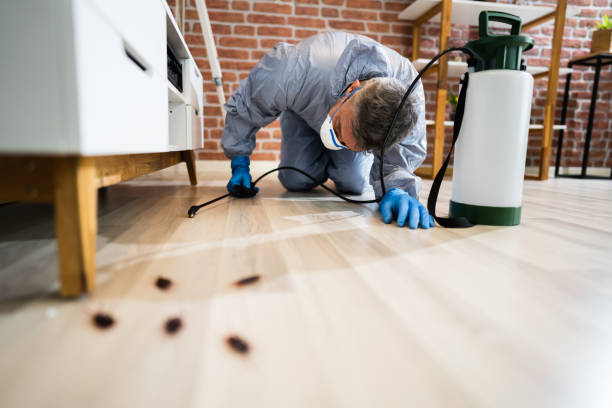
Termites can quietly cause significant damage to your property without any immediate noticeable signs. A comprehensive termite treatment process is essential not only for eliminating existing infestations but also for preventing future issues. Below, we’ll outline what you should expect from a thorough termite treatment process.
1. Initial Inspection and Assessment
The first step in a termite treatment plan is a detailed inspection conducted by a licensed pest control professional. During this stage:
– The specialist will examine both the interior and exterior of the property, looking for evidence of termites such as mud tubes, discarded wings, or damaged wood.
– Moisture readings and structural assessments may be conducted to identify areas most vulnerable to infestation.
– The inspector will determine the type of termites present — such as drywood termites or subterranean termites — as each requires a specific method of treatment.
2. Developing a Customized Treatment Plan
Once the initial inspection is completed, the pest control professional will create a tailored treatment plan based on:
– The severity of the infestation.
– The species of termites identified on the property.
– The construction type and layout of your home or building.
This personalized plan ensures targeted results while minimizing potential disruption to your daily routine.
3. Treatment Implementation Methods
- a) Soil Treatments: Subterranean termites live underground and often require soil treatments using termiticides as barriers around the foundation perimeter.
| Soil Treatment Benefits | Details |
| Prevents reinfestation | Creates an impenetrable chemical barrier between soil and structure. |
| Long-lasting | Effective for several years when properly applied. |
- b) Wood Treatments: Wood treatments involve applying termiticides directly to wooden elements susceptible to attack by termites, protecting both untreated wood and halting active infestations in treated structures.
- c) Baiting Systems: This technique involves placing bait stations around your property that attract workers from termite colonies before exposing them to slow-acting insecticides designed to spread back through the colony.
4. Monitoring Post-Treatment
A professional termite treatment process doesn’t end with application alone but continues with monitoring systems that evaluate its success over time: – Regular inspections over weeks or months ensure all colonies have been eradicated. – Bait stations are checked periodically for additional activity.
5 Key Expectations During Comprehensive Treatments
Here’s what homeowners can generally expect throughout this process: 1) Minimal disruption – Professionals take care in treating areas unobtrusively. 2) Ongoing support – Follow-ups after initial intervention keep reoccurrence risk low .
Effective Termite Treatment Miami: Inspecting Your Home Inside and Out
Performing a thorough inspection of your home for termites is a crucial step in preventing costly damage. By carefully examining both the exterior and interior of your property, you can identify early signs of infestation and take prompt action. Below is a detailed guide on how to inspect your home’s exterior, perimeter, and interior effectively.
Inspecting the Exterior of Your Home
- Check Foundation Walls: Look for mud tubes along the foundation walls. These pencil-sized tunnels are used by subterranean termites to travel between their colony and food sources.
- Examine Wood-to-Ground Contact: Wooden structures like decks, fences, or door frames that touch the ground are highly vulnerable. Check for any signs of decay or termite damage.
- Inspect Eaves and Rooflines: Termites can sometimes enter through cracks near eaves, soffits, or fascia boards. Look for bubbling paint or hollow-sounding wood.
- Assess Landscaping Features: Mulch beds and tree stumps near your home can attract termites. Ensure they are at least 18 inches away from your foundation.
Examining the Perimeter
- Look for Mud Tubes Around Perimeter Walls: These tubes may appear on concrete slabs, brickwork, or crawl spaces.
- Monitor Moisture Levels: Areas with poor drainage or standing water create ideal conditions for termites. Check gutters and downspouts to ensure proper water flow away from your home’s foundation.
- Inspect Nearby Structures: Sheds, gazebos, or detached garages located within close proximity should also be reviewed for potential infestations.
| Area Inspected | Signs to Look For | Preventive Actions |
| Foundation Walls | Mud tubes | Seal cracks immediately |
| Wood-to-Ground Contact | Decay or hollow wood | Install barriers between wood & soil |
| Landscaping Features | Presence of mulch/stumps | Keep them at a safe distance |
Investigating the Interior
- Knock on wooden baseboards and listen for hollow sounds.
- Look for small holes that could indicate termite exit points.
- Examine these areas closely as they are often targeted by drywood termites.
- Watch out for frass (termite droppings), which resemble sawdust.
- Gently tap walls with a screwdriver; if they sound hollow, it may indicate an infestation.
- Check painted surfaces for bubbling or peeling paint caused by moisture buildup from termites.
- Search dark corners where wood meets insulation.
- Use a flashlight to spot potential mud tubes in structural beams.
Using Tools During Inspection
To enhance accuracy during inspections: – Use a flashlight to illuminate dark areas like crawl spaces or basements. – A screwdriver helps probe questionable woodwork gently without causing extensive damage. – Moisture meters are useful tools when checking damp areas prone to attracting termite colonies.
By conducting regular inspections across these areas with diligence, homeowners can significantly reduce their risk of severe termite-related damage while maintaining structural integrity over time.
Thorough Tips for a Complete Miami Pest Control Inspection of Your Home
A thorough termite inspection is an essential part of protecting your property from structural damage. Detecting termites early can save you from costly repairs and ensure the safety of your home. Below, we outline how to systematically inspect your home’s exterior, perimeter, and interior for signs of termites.
Inspecting the Exterior of Your Home
- Check wooden structures such as decks, fences, or trellises that come into direct contact with soil.
- Look for mud tubes or wood that appears hollowed out.
- Examine cracks or crevices in concrete foundations where subterranean termites could enter.
- Search for mud tubes along walls, which are often a sign of termite activity.
- Inspect wood siding, particularly near the base where it meets the ground.
- Look for bubbling paint or warping wood, which might indicate termite damage beneath the surface.
Assessing the Property Perimeter
- Mulch retains moisture and can attract termites. Check mulch beds near your foundation for signs like mud tubes or small piles of wings from swarming termites.
- Firewood stacked near the house can harbor termites. Ensure it is stored at least 20 feet away from your home and off the ground.
- Damp soil conditions around your home’s perimeter can attract subterranean termites. Ensure proper drainage by diverting water away from your foundation with downspouts or grading.
Inspecting Your Home’s Interior
- Tap walls lightly to listen for hollow sounds; this may indicate termite tunnels inside wooden structures.
- Check for faint lines or “maze-like” patterns on drywall—these could be signs of tunneling beneath paint or wallpaper.
- Look along baseboards for small piles of what resembles sawdust (frass), which is actually termite droppings.
- Check hardwood floors for blisters or sagging spots caused by weakened wood beneath.
- Examine wooden frames around windows and doors; peeling paint or tiny pinholes could signal termite activity.
- Push gently into these areas with a screwdriver—softened wood suggests internal damage caused by these pests.
- Bathrooms, kitchens, basements, and laundry rooms often attract termites due to higher humidity levels.
- Use a moisture meter in suspect areas to identify dampness that may indicate a conducive environment.
Termite Inspection Checklist Table
| Area Inspected | Key Signs to Look For | Tools Needed |
| Exterior Foundation | Mud tubes, cracks | Flashlight |
| Wooden Structures | Hollowed-out wood | Screwdriver |
| Mulch Beds | Discarded wings | Trowel |
| Walls/Ceilings | Soft spots; faint lines | Hammer |
| Baseboards | Frass (termite droppings) | Magnifying glass |
Regular inspections following these steps offer significant benefits in detecting early warning signs before major infestations occur. By taking a methodical approach to examining both external and internal areas of your property, you’ll better understand whether it’s time to seek professional pest control assistance.
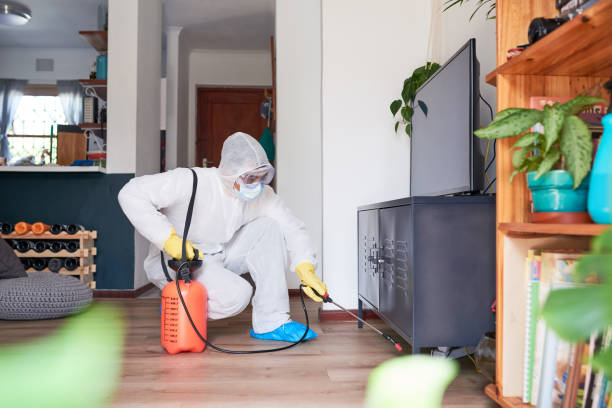
How to Spot Termite Damage and When to Call an Exterminator Miami, FL
Termites can cause severe damage to homes and buildings, often going unnoticed until the problem worsens. A critical aspect of termite control is recognizing the signs of moisture and structural damage that these pests leave behind. By identifying these early indicators, homeowners can act promptly to mitigate further destruction.
Common Signs of Moisture Damage Caused by Termites
- Warped Walls or Floors: Excessive moisture from termite activity can cause walls, wooden floors, and ceilings to appear warped or buckled.
- Peeling Paint: Paint that bubbles or peels may indicate hidden moisture linked to termite tunnels beneath the surface.
- Mildew Odor: A musty smell near wooden structures is often associated with damp conditions caused by termites.
- Softened Wood: Wood weakened by excessive moisture might feel spongy when touched.
Indicators of Structural Damage
- Hollow-Sounding Wood
When tapped or knocked on, termite-damaged wood often produces a hollow sound due to internal tunneling. - Mud Tubes
Subterranean termites construct mud tubes along walls, foundations, and crawl spaces as protective pathways between their nests and food sources. - Cracks in Walls or Ceilings
Termite activity within wooden supports may lead to noticeable cracks in drywall and ceilings over time. - Sagging Doors or Windows
Frames compromised by termites may swell due to moisture buildup, causing doors and windows to stick or sag.
Comparing Moisture vs Structural Damage
| Type of Damage | Common Indicators | Likely Cause |
| Moisture Damage | Warped wood, peeling paint, mildew odor | Damp environment created by termites |
| Structural Damage | Cracks in walls/ceilings, hollow-sounding wood | Internal tunneling weakening support |
Why Moisture Control Matters
- Repair plumbing leaks immediately.
- Ensure gutters direct water away from your home’s foundation.
- Install dehumidifiers in high-humidity areas like basements.
By understanding the correlation between termites and both moisture-related issues and structural damage, homeowners can better protect their properties from these destructive pests while minimizing costly repairs down the line.
Effective Termite Removal Miami: How Soil Treatments Create a Barrier Against Subterranean Termites
Soil treatment is one of the most effective ways to combat subterranean termites, which are among the most destructive termite species. This treatment method focuses on creating a chemical barrier in the soil around and beneath a structure to prevent termites from accessing wood and other cellulose-based materials. Let’s explore how soil treatment works and what it entails.
How Soil Treatment Works
Soil treatment involves applying termiticides—specialized insecticides designed to repel or eliminate termites—directly into the ground surrounding a property. This creates an invisible protective layer that prevents subterranean termites from tunneling through the soil and accessing your home or building.
The process typically works in two ways: – Repellents: Certain termiticides create a physical barrier that deters termites from advancing toward the structure. – Non-repellent termiticides: These allow termites to come into contact with the chemical, which they unknowingly transfer back to their colonies. Over time, this eliminates an entire colony of termites.
Steps Involved in Soil Treatment
- The pest control expert examines your property for existing termite activity and specific areas prone to infestation, such as cracks in foundations or moist soil.
- A detailed analysis determines where termiticides should be applied.
- Any debris, organic material, or wood near the foundation is cleared away.
- Holes are often drilled into slabs or concrete foundations for direct application beneath these surfaces.
- Liquid pesticides are applied directly into trenches dug around your home’s perimeter.
- For areas with concrete slabs, injection methods are used for precise delivery under these surfaces.
- After initial application, follow-up visits may be scheduled to monitor effectiveness and reapply as necessary, especially if heavy rains dilute the chemicals over time.
Benefits of Soil Treatment
Soil treatments offer several advantages when it comes to termite prevention: – Long-lasting protection: Some treatments can remain effective for up to 5–10 years when properly maintained. – Prevention-focused approach: Soil barriers deter new colonies from entering your property while simultaneously addressing existing infestations that attempt intrusion. – Customizable solutions: Treatments can be tailored based on factors like local termite species and environmental conditions.
| Benefits | Details |
| Long-Term Efficacy | Treatments can last several years with proper care. |
| Colony Elimination | Non-repellent chemicals effectively destroy colonies at their source. |
| Adaptability | Can be customized based on specific environmental factors. |
Environmental Considerations
While soil treatments are highly effective, modern pest control practices emphasize safety for both humans and the environment: – Many termiticides today are low-toxicity formulations approved by regulatory authorities. – Precautions ensure minimal impact on non-target organisms such as plants or beneficial insects like bees.
For homeowners looking for an environmentally friendly approach, some pest control companies offer natural options using essential oils or plant-derived compounds; however, these may not provide long-lasting results compared to standard synthetic termiticides.
Maintenance and Reapplication
Even though quality soil treatments have impressive longevity, periodic inspections are essential: – Heavy rainfall can sometimes dilute chemicals in treated zones. – Shifting soil due to landscaping changes may disrupt protective barriers.
To maintain optimal protection against subterranean termites, homeowners should schedule regular inspections every one or two years with licensed professionals.
Soil treatment remains an indispensable strategy against subterranean termite infestations because it targets both immediate threats and long-term prevention needs effectively when performed correctly by trained professionals.
How Treated Wood Can Eliminate Existing Termite Colonies and Prevent Future Infestations
Using treated wood is an effective strategy for combating termites and preventing future infestations. Treated wood is designed to resist termite attacks by incorporating chemicals that are toxic to termites or disrupt their life cycles. This approach is commonly used in construction, furnishing, and landscaping projects where wood is a primary material.
The Science Behind Treated Wood
- Pressure-Treated Wood: This type of wood is infused with preservatives such as chromated copper arsenate (CCA), alkaline copper quaternary (ACQ), or borates under high pressure. These chemicals make the wood unappealing to termites and prevent fungal decay.
- Borate Treatments: Borates are water-soluble minerals that can penetrate deeply into the wood’s core. They act as a slow-acting poison for termites when ingested and can also disrupt their reproduction cycle.
- Surface Treatments: In some cases, untreated wood may be coated with termite repellents or insecticides on its surface for short-term protection.
| Treatment Type | Primary Purpose | Longevity | Common Applications |
| Pressure-Treated Wood | Protection against termites and fungi | Decades | Decks, fences, structural beams |
| Borate Treatments | Target existing colonies and prevent infestations | Varies | Structural elements, furniture |
| Surface Coatings | Temporary repellent for pests | Temporary | Decorative items, small repairs |
Benefits of Using Treated Wood
- Eliminates Existing Termite Colonies
When treated wood comes into contact with active termite infestations, the chemicals can kill existing colonies by poisoning the insects or interfering with their biological functions. Borate-treated products are particularly effective in this regard since they are ingested when termites feed on the wood. - Provides Long-Term Prevention
Many treated woods offer long-lasting protection against reinfestation due to their durable chemical composition. Pressure-treated woods used in structural components can remain resistant to termites for decades when properly maintained. - Environmentally Responsible Options
Certain treatments like borates are less toxic compared to older methods and present minimal risks to humans, pets, and non-target organisms when applied correctly. - Cost-Effective Solution
Although treated wood may have slightly higher upfront costs compared to untreated materials, it significantly reduces repair costs associated with termite damage over time.
Best Practices for Using Treated Wood
- Use pressure-treated lumber for areas prone to moisture exposure, such as decks or crawl spaces.
- When installing treated timber outdoors, ensure proper sealing at cut edges or joints using preservative sealants.
- Pair treated wood with other preventive measures like soil treatments or baiting systems for comprehensive termite control.
- Regularly inspect treated wooden structures for wear and tear that could compromise their protective properties.
Limitations of Treated Wood
While treated wood is highly effective against termites, it does have some limitations:
– Over time, weathering can reduce its efficacy if not properly maintained. – It may not be suitable for certain eco-sensitive projects due to specific chemical compositions. – Some forms of treatment may still require additional pest control methods in heavily infested areas.
By integrating treated wood into both construction practices and pest management strategies, homeowners can significantly reduce the risk of termite damage while ensuring long-term structural durability.
- Effective Termite Treatment Miami: Why Addressing Infestations Promptly Matters
- Effective Termite Treatment Miami: Exploring the 4 Major Types and Their Effectiveness
- Effective Termite Treatment Miami: How Termites Enter and Infest Your Home
- What to Expect From a Comprehensive Miami Termite Control Process
- Effective Miami Termite Control: A Comprehensive Guide to Inspections
- Miami Termite Control: Effective Inspection and Treatment to Protect Your Home
- Effective Termite Treatment Miami: 5 Signs of Termite Damage to Protect Your Home
- How Miami Termite Control Can Help Identify Hollow-Sounding Wood as a Termite Indicator